
Health & Therapies
West Nile Virus in Horses: Signs, Mosquito Protection, and Reporting Requirements
West Nile Virus is transmitted by mosquitoes. Learn about the potential signs in horses, the protective measures recommended by the Austrian Ministry of Health, and where suspected cases must be reported.
Equidara editorial team · 10 November 2026 · 4 min read
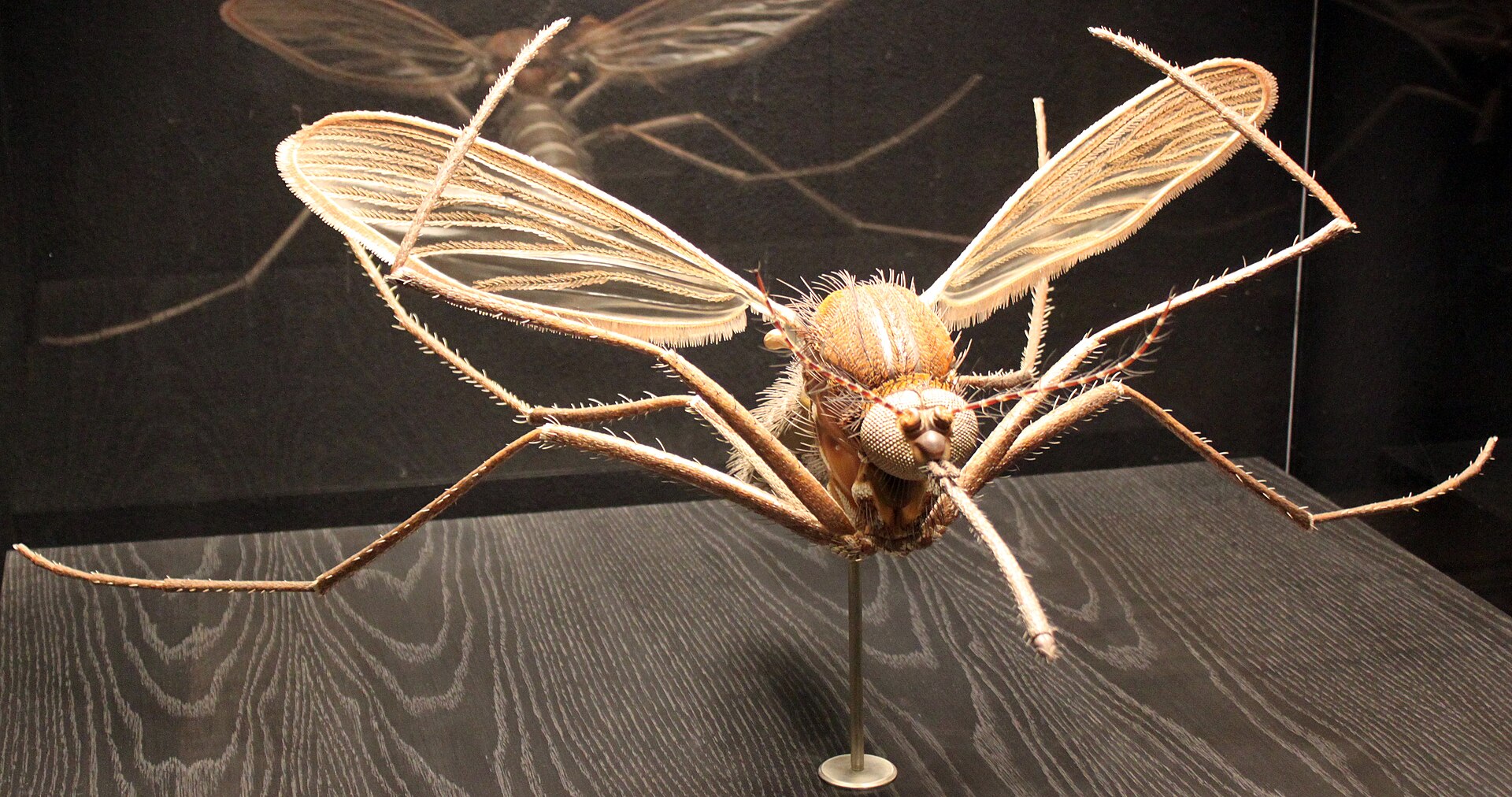
West Nile Virus (WNV) is transmitted to horses by mosquitoes and can cause neurological symptoms. If you suspect an infection, call your vet immediately. To prevent WNV, the Austrian Ministry of Health primarily recommends protecting horses from mosquito bites and implementing measures to control mosquito breeding. Reporting requirements vary by country: in Austria, as well as in England, Scotland, and Wales, even a suspected case must be reported.
How West Nile Virus Spreads in Europe
According to the Robert Koch-Institut, the virus arrived in Europe with migratory birds from the tropics. In Southern Europe, it has long been transmitted seasonally during the summer and can overwinter there.
Between 2012 and 2021, 16 countries in the European Union and the European Economic Area reported infections in both humans and animals, as stated by the European Centre for Disease Prevention and Control.
In Germany, according to the Robert Koch-Institut, findings of subtype 2 in birds and horses have been reported since 2018 during the summer mosquito season. In Austria, the pathogen was first detected in horses in 2016. Repeated detections in birds, mosquitoes, and humans have occurred there since 2008, according to the Austrian Ministry of Health.
When Transmissions Occur
The season favorable for mosquitoes depends on the local climate and short-term weather conditions. According to the Robert Koch-Institut, in Germany, this is primarily in late summer, and with persistent warmth, also in early autumn. In Southern Europe, transmissions are often observed until November.
How Horses Get Infected
Mosquitoes primarily transmit the virus among wild birds. If they become infected by a bird, they can also pass it on to humans and other mammals, especially horses. The Robert Koch-Institut identifies the widespread Culex mosquitoes as the main vectors in Germany.
According to the Robert Koch-Institut, horses and humans are considered 'dead-end hosts': the viral load in their blood remains so low that they do not serve as a source of the virus for mosquitoes. The Austrian Ministry of Health states that affected mammals pose no further risk of infection.
Possible Signs in Horses
The Austrian Ministry of Health primarily describes neurological symptoms resulting from inflammation of the central nervous system. The UK government lists the following possible signs:
- Lack of energy
- Loss of coordination
- Limb weakness, leading to stumbling
According to the UK government, some infected horses show no signs at all. Therefore, a lack of symptoms does not rule out an infection.
In cases of a feverish illness, possibly accompanied by central nervous system disorders, the Austrian Ministry of Health recommends considering WNV infection as a possible cause. Your veterinarian will then take it into account when diagnosing alongside other potential causes.
If you suspect a WNV infection, call your vet. According to the Austrian Ministry of Health, affected animals can only be treated symptomatically. This means treatment focuses on managing the symptoms.
Preventing Mosquitoes at the Stable
The Austrian Ministry of Health recommends the following measures for animal owners. They concern protecting animals from bites and preventing water accumulations where mosquitoes lay their eggs.
Protecting Animals from Bites
According to the Ministry, mosquitoes are particularly active during dawn and dusk. It recommends the following protective measures:
- Bring animals into the stable, especially during dawn and dusk.
- Install mosquito screens on windows.
- Keep stable doors closed at night and during dawn and dusk.
Avoiding Water Accumulations
To prevent mosquito breeding, the Ministry recommends covering rain barrels and daily cleaning of water troughs. At animal wash areas, water should drain into the sewage system to ensure the areas remain dry.
The issue of mosquitoes should also be considered in construction projects. According to the Ministry, poorly planned spatial development and hydraulic engineering projects can lead to a mass proliferation of mosquitoes.
Reporting Requirements: Country Matters
Austria
According to the Austrian Ministry of Health, any suspected or confirmed WNV infection in horses in Austria is notifiable. The official veterinarian must be informed.
England, Scotland, and Wales
For England, Scotland, and Wales, the UK government designates West Nile Fever as a notifiable animal disease. A suspected case must be reported immediately. Failure to do so is an offense, according to their information.
For legal questions regarding reporting obligations or your specific duties, please consult a lawyer.
Common questions
Can a horse infect other horses with West Nile Virus?
According to the Austrian Ministry of Health, affected mammals pose no further risk of infection. The Robert Koch-Institut explains that horses are not a source of the virus for mosquitoes due to the low viral load in their blood.
What signs can appear in horses?
The UK government lists lack of energy, loss of coordination, and limb weakness leading to stumbling. Some horses show no signs. If you suspect an infection, call your vet.
What measures against mosquitoes does the Austrian Ministry of Health recommend?
It recommends, among other things, bringing animals into the stable during dawn and dusk, installing mosquito screens on windows, and keeping stable doors closed at night and during dawn and dusk. Rain barrels should be covered, and water troughs cleaned daily.
Must a suspected case of West Nile Fever already be reported?
In Austria, according to the Ministry of Health, any suspected case in horses must be reported to the official veterinarian. For England, Scotland, and Wales, the UK government also requires immediate reporting of suspected cases.
Sources
- Robert Koch-Institut – Übertragung, Verbreitung und saisonales Auftreten: rki.de (15.10.2026)
- Europäisches Zentrum für die Prävention und die Kontrolle von Krankheiten – Fachbericht zu Überwachung, Verbreitung und Vektorkontrolle in E (14.09.2023)
- Österreichisches Gesundheitsministerium – Vorkommen, Meldepflicht in Österreich und praktische Maßnahmen gegen Stechmücken: verbrauchergesun (08.09.2026)
- Britische Regierung – Krankheitsanzeichen beim Pferd und Meldewege im Vereinigten Königreich: gov.uk (15.08.2025)
- Titelfoto: Anagoria, Wikimedia Commons
- Lizenz des Fotos: CC BY 3.0

Written by Equidara editorial team. Last checked: 10 November 2026.
- Equine Osteopathy: Application, Process, and Choosing Your Practitioner — Discover what manual techniques aim to achieve, the reliability of current research, and what to consider regarding practitioner training, treatment limitations, and potential insurance coverage.
- Scratches in Horses: Pastern Care and Recognizing Warning Signs — Moisture and dirt can contribute to scratches. Here's how to gently care for the affected skin and recognize when to contact your vet.
- Kissing Spines in Horses: Correctly Interpreting X-ray Findings in the Pre-Purchase Exam — An abnormal X-ray alone doesn't tell you if your horse has back pain. Learn what signs to look for and why a clinical examination is crucial for proper assessment.
- PPID in the Senior Horse: Recognizing Signs, the ACTH Test, and Daily Care — PPID (Equine Cushing's Disease) primarily affects horses over 15 years old. Learn how to recognize the signs, how your vet uses the ACTH test for diagnosis, and what you can do in daily life to help.
Related
- Buy a horse with pre-purchase exam documents — Sale horses where the pre-purchase exam report is available directly in the listing.
- Services and jobs — Farrier, vet, training, horse share.
- Saddles and accessories — For the horse: saddles, rugs, bridles, hoof protection.