
Forgotten remedies
Respiratory Health in Horses: Thyme and Saline Inhalation
Thyme as a tea or dry in feed, plus saline inhalation: Discover the applications recommended by the FN, what applies to competition horses in Germany, and why diagnosis, stable hygiene, and fresh air are crucial.
Equidara editorial team · 10 November 2026 · 3 min read
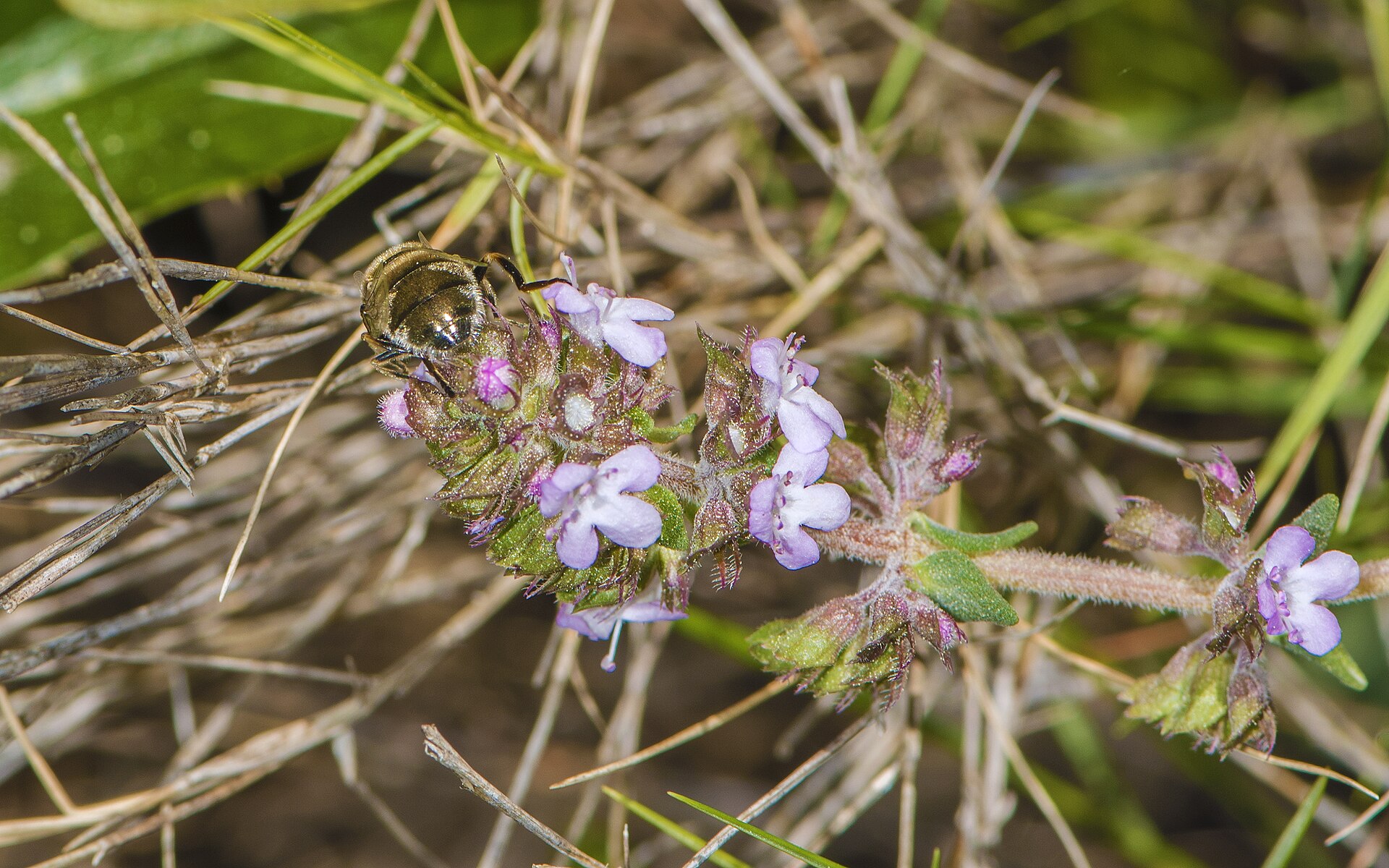
The German Equestrian Federation (FN) recommends two applications for equine respiratory diseases: thyme as a tea or dry in feed, and saline inhalation. According to their guidelines, administered herbs and inhalations can positively influence the healing process of an existing condition. However, the underlying cause must be thoroughly diagnosed by a veterinarian. A home remedy does not replace this professional diagnosis.
Thyme: As a Tea or Dry in Feed
The German Equestrian Federation, or FN for short, is the umbrella organization for equestrian sport in Germany. They list thyme as a herbal aid for respiratory conditions. They suggest administering it as a tea or as a dry herb mixed into the feed.
Saline Inhalation: A Separate Application
The FN also lists saline inhalation for respiratory issues. It should be considered distinct from administering herbs. Thyme is fed, while saline solution is inhaled. The FN mentions both methods separately, and this does not imply a combined recipe.
If Your Horse Competes
The FN publishes these guidelines in their section on competitive equestrian sport, specifically concerning their Anti-Doping and Medication Rules (ADMR). These rules apply to competitions in Germany. If you compete in another country, the regulations of that country's federation or organizer will apply. According to the FN's guidelines, saline inhalation is considered safe. For thyme, the FN recommends a withdrawal period of 48 hours. This refers to the suggested timeframe between administration and competing. Regulations and withdrawal periods can change, so always check the current version with the FN before a competition.
The FN prioritizes effective treatment and the horse's welfare over a prompt competition start. This holds true even if the necessary treatment prevents your horse from competing.
Why the Cause of the Cough Matters
According to the FN, respiratory diseases can have various causes, ranging from flu-like infections to dust allergies, and are often management-related. Therefore, addressing a cough begins with a diagnosis, not with choosing a herb.
The expert overview „Evidenzbasierte Atemwegsmedizin beim Pferd“ describes treatments for recurrent airway obstruction (RAO) and exercise-induced pulmonary hemorrhage (EIPH) as clearly scientifically supported. It recommends considering these treatments first for the respective conditions. Recurrent airway obstruction is a recurring narrowing of the airways. This is the name of the condition in the specialized sources mentioned here. In veterinary practice, you might encounter a different term for it.
Therefore, supportive application is different from the targeted treatment of a diagnosed respiratory disease. Which treatment is appropriate depends on the cause.
Stable Air and Management Are Key
According to the FN, proper stable hygiene, exercise, and plenty of fresh air help prevent respiratory diseases.
An English-language review titled „Recurrent airway obstruction: A review“ identifies exposure to airborne organic dust as a significant factor for this condition, alongside a complex genetic predisposition, particularly due to stable housing and hay feeding.
For affected horses, pasture turnout or a low-dust stable environment usually leads to a reduction in clinical signs, according to this study. However, mild narrowing of the small, peripheral airways can persist for several years. This is possible even with low-dust management and without neutrophilic airway inflammation.
If a horse shows symptoms of this condition, its airways become more sensitive. In such cases, airborne particles, cold or dry air, and harmful gases can worsen inflammation and narrowing. These statements refer to horses with recurrent airway obstruction, not generally to every cough.
What You Should Pay Attention To
Stick to the application methods recommended by the FN: thyme as a tea or dry in feed, and saline solution for inhalation. This does not imply quantities or recipes for other preparations. Have the cause of the cough diagnosed by a veterinarian and keep an eye on management and stable air.
Common questions
How is thyme administered for respiratory diseases in horses?
The German Equestrian Federation recommends administering it as a tea or dry in feed. They list thyme as a herbal aid for respiratory conditions.
Can saline inhalation support treatment?
The German Equestrian Federation lists saline inhalation for respiratory diseases. According to their guidelines, inhalations can positively influence the healing process of an existing condition.
What applies to competition horses?
According to the FN's guidelines regarding their Anti-Doping and Medication Rules, which apply to competitive equestrian sport in Germany, saline inhalation is considered safe. For thyme, the FN recommends a withdrawal period of 48 hours before competing. Since regulations can change, always check the current version before a competition. In other countries, the rules of that country's federation or organizer apply.
Why must a cough be diagnosed by a veterinarian?
According to the FN, respiratory diseases can have various causes, ranging from flu-like infections to dust allergies. For an accurate diagnosis, they must be professionally evaluated by a veterinarian.
What, besides herbs, contributes to prevention?
According to the German Equestrian Federation, proper stable hygiene, exercise, and plenty of fresh air prevent respiratory diseases.
Sources
- Deutsche Reiterliche Vereinigung: Tierärztliche Abklärung von Atemwegserkrankungen, Kochsalzinhalation und pflanzliche Mittel; Hinweise zu S
- Fachübersicht: Evidence-based respiratory medicine in horses – Einordnung wissenschaftlich belegter Behandlungen von Atemwegserkrankungen
- Recurrent airway obstruction: A review (2014)
- Titelfoto: Christian Ferrer, Wikimedia Commons
- Lizenz des Fotos: CC BY-SA 4.0

Written by Equidara editorial team. Last checked: 10 November 2026.
- Activated Charcoal for Horses: Why the Vet Comes First in Cases of Poisoning — Activated charcoal can bind certain toxins in the gut. For a poisoned horse, its administration should always be handled by a veterinarian. Learn what you can do until the vet arrives and understand the limitations of charcoal.
- Calendula for Horses: Salve, Infusion, and Addressing Scratches — What the Phytokodex describes about calendula salve and infusion, and why crusts, pus, or lameness in the pastern area require veterinary attention.
- Black Seed Oil or Salicylic Oil for Sweet Itch: What the 1999 Study Actually Examined — Black seed oil and salicylic oil are not the same. Discover which oil the 1999 study tested and why stable management, insect repellents, and sweet itch rugs are crucial for managing sweet itch.
- Herbal Remedies for Your Competition Horse: What You Should Check Before Administration — Even with herbal remedies, competition rules apply. Here's what the FN and FEI say about substances, withdrawal periods, and supplements.
Related
- Buy a horse with pre-purchase exam documents — Sale horses where the pre-purchase exam report is available directly in the listing.
- Services and jobs — Farrier, vet, training, horse share.
- Saddles and accessories — For the horse: saddles, rugs, bridles, hoof protection.