
Forgotten remedies
Herbal Remedies for Your Competition Horse: What You Should Check Before Administration
Even with herbal remedies, competition rules apply. Here's what the FN and FEI say about substances, withdrawal periods, and supplements.
Equidara editorial team · 17 October 2026 · 3 min read
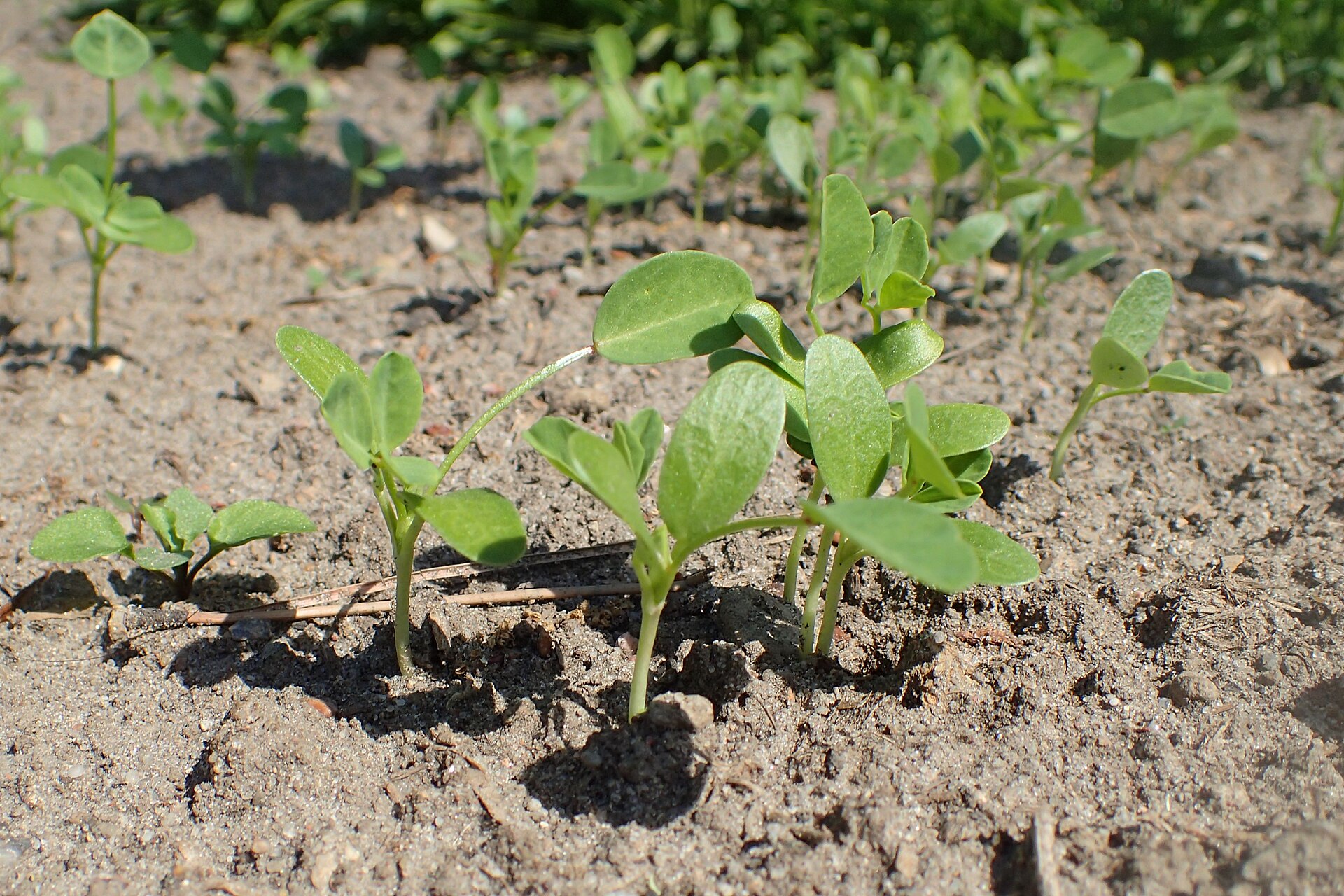
If you want to give your competition horse an herbal remedy, check the applicable rules before administration and discuss the use with your veterinarian. For national equestrian sport in Germany, the FN's Anti-Doping and Medication Control Rules apply. For FEI events, the regulations of the World Equestrian Federation apply. It requires checking the prohibited status before administering any substance and recommends close cooperation with your veterinarian.
FN Rules Apply in German Equestrian Sport
According to the German Equestrian Federation (FN), the Anti-Doping and Medication Control Rules, or ADMR for short, are an integral part of the Competition Rules. They form a binding basis for equestrian sport at the national level in Germany.
The FN specifies two conditions for entry: an illness must be completely cured, and the horse must be free of prohibited substances at the time of competition. So, it's not just about when you last administered a substance, but also your horse's state of health.
What a Withdrawal Period Means
The FN defines a withdrawal period as the recommended timeframe between the administration of a substance or the application of a method and participation in a competition. The withdrawal period is therefore a recommendation. The fundamental rule remains that the horse must be free of prohibited substances during the competition.
Check Before Every Administration at FEI Events
The Fédération Équestre Internationale (FEI) urges riders and support personnel to check the prohibited status before administering any substance to a horse participating in FEI events. This check should occur before use, not just before the competition.
The FEI categorizes substances. You should distinguish between two of them:
- Prohibited Substances ("Banned Substances"), in the FEI's assessment, have no legitimate use in a competition horse and/or a high potential for abuse. They must not be used in a competition horse at any time.
- Controlled Medication includes substances with therapeutic value and/or common use in equine medicine. According to the FEI, they can affect performance and/or endanger the horse's welfare.
The List Alone Is Not the Entire Rule
At FEI events, substances not explicitly listed as prohibited can also be forbidden. According to the FEI, this applies if their chemical structure or biological effect resembles a listed substance.
The FEI reviews its Prohibited Substances List annually and publishes changes 90 days before they come into effect. Therefore, the currently applicable list is always decisive. A previous check does not replace a new one.
What You Should Consider Regarding Herbal Remedies
From the FEI's guidelines, these points arise for herbs and other herbal remedies:
- Check the prohibited status before administration if your horse participates in FEI events.
- Coordinate every administration closely with your veterinarian.
- Include herbal preparations in your checks. The FEI explicitly warns against such supplements.
- Be cautious with products containing unknown ingredients. The FEI also warns against these.
According to the FEI's guidance, substances are prohibited if they have a calming or stimulating effect on performance and contain a prohibited substance. For calming products, they also mention potential significant safety consequences during competition.
Common questions
What does 'withdrawal period' mean according to FN rules?
The FN defines it as the recommended timeframe between the administration of a substance or the application of a method and participation in a competition. Regardless, the horse must be free of prohibited substances during the competition.
Do I need to check herbal supplements before an FEI start?
The FEI requires checking the prohibited status before administering any substance. It explicitly warns against herbal supplements and products with unknown ingredients.
Are only explicitly listed substances prohibited at FEI events?
No. According to the FEI, substances not explicitly listed can also be prohibited if their chemical structure or biological effect resembles a listed substance.
Can a horse participate in competition again after an illness?
According to the FN's fundamental rules for national equestrian sport in Germany, the illness must be completely cured. Additionally, the horse must be free of prohibited substances at the time of competition.
Sources
- Deutsche Reiterliche Vereinigung (FN): ADMR-Suchmaschine mit Bockshornkleesamen-Eintrag, Karenzzeit und Bedingungen für Futtermittel (pferde
- Fédération Équestre Internationale (FEI): Verbotene Substanzen, Medikation und Warnhinweise zu pflanzlichen Ergänzungsmitteln (inside.fei.or (2026)
- Titelfoto: Krzysztof Ziarnek, Kenraiz, Wikimedia Commons
- Lizenz des Fotos: CC BY-SA 4.0

Written by Equidara editorial team. Last checked: 17 October 2026.
- Linseed and Linseed Mash for Horses: How to Properly Prepare This Traditional Home Remedy — Linseed mash is a time-honored home remedy for digestion and skin health. Here, you'll find preparation instructions from the University of Zurich, the daily dosage for your horse, and important considerations.
- Apple Cider Vinegar in Horse Feed: What Stable Wisdom Promises — Apple cider vinegar is traditionally used both internally and externally in equine practice. Here you'll find the mentioned applications, a recipe, and the limitations of dosage recommendations.
- Nettle in Horse Feed: Tradition, Ingredients, and Limitations — Nettles have a long history as animal feed. Discover what this tradition entails, which ingredients are described, and what you should consider when using them in your horse's diet.
- Honey for Horses: From Ancient Home Remedy to Medical Grade Wound Honey — Honey has a long history in wound care. Learn what sets medical grade wound honey apart, its described applications, and when your horse needs a vet.
Related
- Services and jobs — Farrier, vet, training, horse share.
- Saddles and accessories — For the horse: saddles, rugs, bridles, hoof protection.