
Forgotten remedies
Black Seed Oil or Salicylic Oil for Sweet Itch: What the 1999 Study Actually Examined
Black seed oil and salicylic oil are not the same. Discover which oil the 1999 study tested and why stable management, insect repellents, and sweet itch rugs are crucial for managing sweet itch.
Equidara editorial team · 4 November 2026 · 3 min read
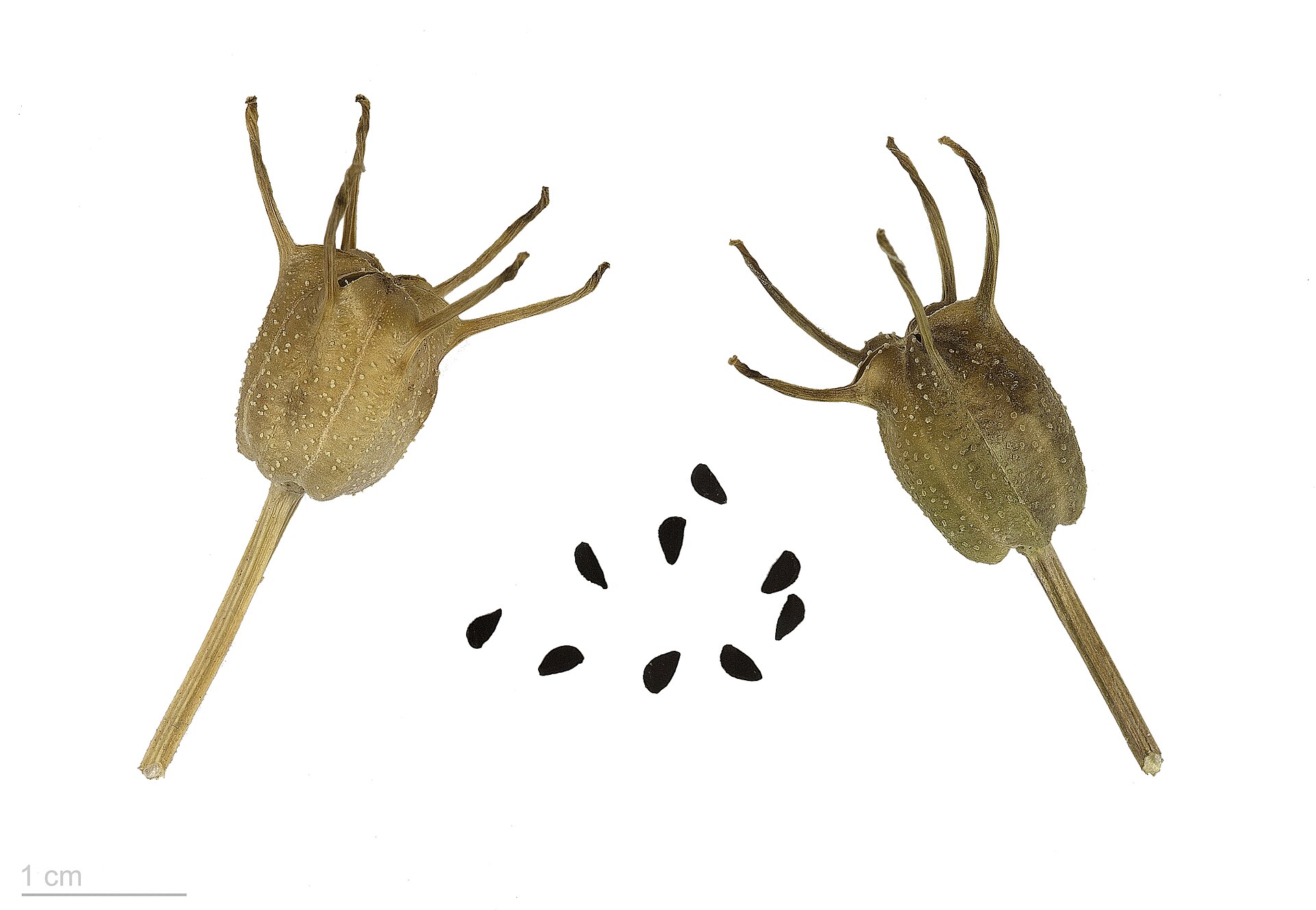
If you're looking to understand the role of black seed oil in sweet itch management, it's crucial to make a distinction: the 1999 study focused on salicylic oil, not black seed oil. Therefore, its details regarding preparation and application apply solely to salicylic oil. When it comes to managing sweet itch, the consensus guidelines from the World Association for Veterinary Dermatology identify insect avoidance as the most effective therapy currently available.
Which Oil Was Studied?
When considering traditional remedies, it's worth paying close attention to the specific name of the preparation. A study on one oil is not a study on another, even if both are mentioned for the same condition.
The 1999 study by Hasslacher, documented by Vetpharm of the University of Zurich, tested a steroid-free, ten-percent salicylic oil preparation on 32 horses with sweet itch. Black seed oil was not the preparation investigated.
Thus, the ten-percent concentration and the number of horses treated describe the salicylic oil preparation used in this study. They are neither a specific recipe nor a dosage recommendation for black seed oil.
Understanding the Itch Behind Sweet Itch
According to the review published in the journal Animals, sweet itch most commonly results from a hypersensitivity reaction to the saliva of Culicoides midges. Other insect species can also be triggers.
As detailed in the expert article from Thieme Tiermedizin, sweet itch typically occurs during the warmer months from spring to autumn. Rarely, severely chronically affected horses may experience symptoms year-round.
According to Thieme, the pronounced itching primarily affects the mane and tail base. However, it can also appear on the head, lower chest, and belly, as well as on the sheath (prepuce) or udder. Therefore, describe all affected areas to your veterinarian, not just the mane and tail.
The consensus guidelines from the World Association for Veterinary Dermatology describe diagnosis as a combination of clinical signs, seasonal progression, and response to insect control. Tests with both high sensitivity and specificity are lacking. A home remedy does not replace this veterinary assessment.
Prevention Through Management and Rugs
In daily management, the primary goal is to minimize insect bites on your horse. The review in Animals lists several measures for this:
- Stabling to reduce insect bites.
- Fans as part of insect protection.
- Rugs to protect against insect bites.
- Repellents, meaning insect-deterring agents.
Thieme also describes a randomized, placebo-controlled, double-blind field study in which orally administered cetirizine did not significantly improve clinical symptoms. Sweet itch rugs and stabling, however, led to a significant improvement, according to the expert article.
What You Should Pay Attention To
Have any pronounced itching and skin changes checked by a veterinarian. This is especially true for severe, weeping, bleeding, or purulent areas. According to Animals, bacterial secondary infections and yeast infections can occur with sweet itch. Such infections and a more permeable skin barrier can further perpetuate the itching.
For your discussion with the veterinarian, the affected body areas, the seasonal progression, and the response to insect protection are important. These very observations are part of the diagnostic assessment, according to the consensus guidelines.
Common questions
Was black seed oil tested in the 1999 study?
No. The study by Hasslacher, documented by Vetpharm, tested a steroid-free, ten-percent salicylic oil preparation on 32 horses. It concerned salicylic oil, not black seed oil.
Can I apply the ten-percent concentration to black seed oil?
This concentration only describes the salicylic oil preparation that was studied. It is not a specific recipe or dosage recommendation for black seed oil.
What role do stable management and sweet itch rugs play?
The consensus guidelines identify insect avoidance as the most effective therapy currently available. According to Animals, stabling, fans, rugs, and repellents are important for protection against insect bites. Thieme Tiermedizin describes a significant improvement with sweet itch rugs and stabling.
When should I consult a veterinarian?
Have any pronounced itching and especially severe, weeping, bleeding, or purulent skin areas checked by a veterinarian. According to Animals, additional bacterial infections and yeast infections can further perpetuate the itching.
Sources
- Fachzeitschrift Animals: Übersichtsarbeit „Insect Bite Hypersensitivity in Horses: Causes, Diagnosis, Scoring and New Therapies“; Forschungs (04.08.2023)
- World Association for Veterinary Dermatology, Fachzeitschrift Veterinary Dermatology: Konsensusleitlinie zu allergischen Hauterkrankungen be (Literaturstand: November 2022)
- Sommerekzem beim Pferd – was moderne Therapien leisten – Thieme Tiermedizin
- Hasslacher 1999a (1999)
- Titelfoto: Roger Culos, Wikimedia Commons
- Lizenz des Fotos: CC BY-SA 3.0

Written by Equidara editorial team. Last checked: 4 November 2026.
- Activated Charcoal for Horses: Why the Vet Comes First in Cases of Poisoning — Activated charcoal can bind certain toxins in the gut. For a poisoned horse, its administration should always be handled by a veterinarian. Learn what you can do until the vet arrives and understand the limitations of charcoal.
- Devil's Claw Before Competition: Clarify Lameness, Understand Withdrawal Periods — If your horse is lame, it needs a veterinary diagnosis. For Devil's Claw, the FN specifies a four-day withdrawal period in German national equestrian sport. Why withdrawal periods and clearance to compete are two different issues.
- Herbal Remedies for Your Competition Horse: What You Should Check Before Administration — Even with herbal remedies, competition rules apply. Here's what the FN and FEI say about substances, withdrawal periods, and supplements.
- Honey for Horses: From Ancient Home Remedy to Medical Grade Wound Honey — Honey has a long history in wound care. Learn what sets medical grade wound honey apart, its described applications, and when your horse needs a vet.
Related
- Buy a horse with pre-purchase exam documents — Sale horses where the pre-purchase exam report is available directly in the listing.
- Services and jobs — Farrier, vet, training, horse share.
- Saddles and accessories — For the horse: saddles, rugs, bridles, hoof protection.