
Forgotten remedies
Nettle in Horse Feed: Tradition, Ingredients, and Limitations
Nettles have a long history as animal feed. Discover what this tradition entails, which ingredients are described, and what you should consider when using them in your horse's diet.
Equidara editorial team · 17 October 2026 · 4 min read
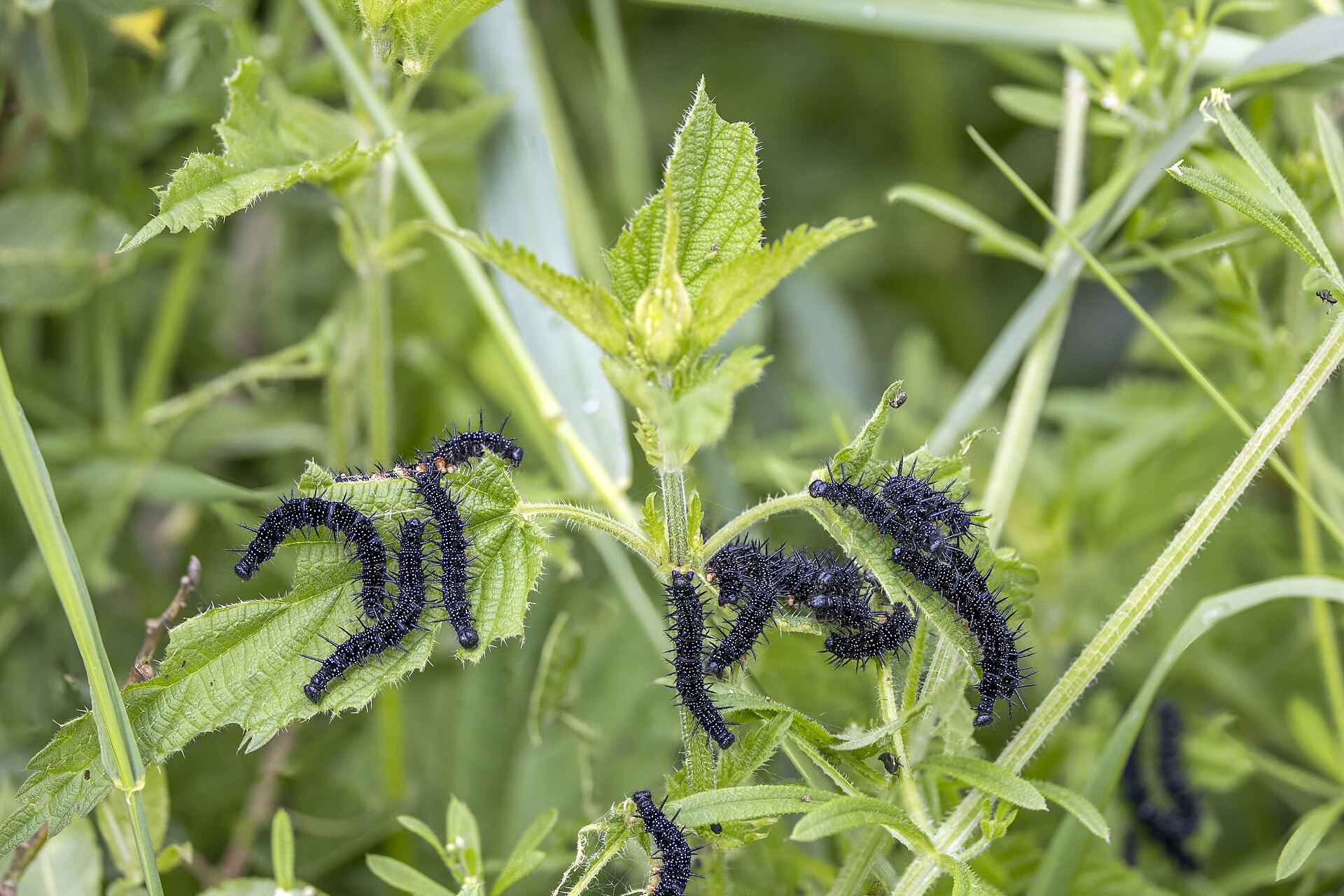
Nettles have been used as animal feed for centuries, though without distinction between animal species. If you're considering using nettle during coat changes or for metabolic concerns, keep three things separate: its traditional use, the described ingredients, and your horse's treatment plan. A plant analysis alone does not provide a suitable feeding amount or an application for specific ailments.
A Forage Plant with a Long History
According to the German Society for Rheumatology and Clinical Immunology, a professional society for human medicine, nettles have been used for centuries as food, tea, and animal feed.
Traditional medicine also recognizes various applications. Traditionally, leaves, stems, and roots are used for wound treatment, to promote diuresis, for joint pain, as a vermifuge, and for respiratory ailments. The society describes animal feed and traditional medicine generally, not specifically for horses. These are different applications of various plant parts, not a uniform recipe for nettle in the feed trough. The traditional use as a vermifuge does not replace deworming, which you should coordinate with your veterinarian.
It's important for context: a traditional application for wound treatment is different from feeding. Likewise, a traditional use of the root cannot simply be transferred to dried leaves. Therefore, pay close attention to which plant part and type of application are being referred to.
Properly Categorizing Coat Change and Metabolism
When considering nettle in horse feed, terms like “coat change” and “metabolism” should not replace precise descriptions. It's crucial whether you're discussing the composition of a feed or ailments that need clarification. A contained plant compound, in itself, is not yet a treatment guide.
The traditional promotion of diuresis should also remain named as such. This does not automatically become an application for every issue categorized under “metabolism.”
Described Ingredients
The German Society for Rheumatology and Clinical Immunology lists the following composition for dried, powdered nettle leaves:
- 33.8 percent crude protein
- 9.1 percent crude fiber
- 3.6 percent fat
- 37.4 percent carbohydrates
These values explicitly refer to dried, powdered leaves. They describe the composition of this material, not a feeding quantity for your horse. The fact that leaves were dried and powdered for an analysis is also not a feeding recipe.
For leaves and roots, the society also lists flavonoids, phenolic acids, carotenoids, organic acids, and fatty acids. Additionally, steroid-like phytosterols were found in the roots. This last piece of information explicitly pertains to the root and should not be presented as a characteristic of a pure leaf feed.
Why the Plant Part Matters
According to the society, the composition of plant compounds varies depending on the plant part and location. It also changes with the season. Therefore, the term “nettle” alone does not fully describe the composition.
When evaluating information about a nettle feed, pay attention to whether leaves, roots, or other plant parts are mentioned. Do not readily compare information about roots with an analysis of leaf powder.
What You Should Pay Attention To
According to the society, the stinging hairs on the leaf surfaces and stems cause the well-known stinging effect. They introduce, among other things, formic acid, acetylcholine, histamine, and serotonin into the skin. This information explains contact with the plant; it is not a description of a feeding effect.
A specialist article from 2006 in the journal Pferdeheilkunde provides a classification specifically for horses, offering a critical analysis of herbs and herbal extracts in the feeding of sport horses. The article includes potential side effects and doping concerns of common herbal extracts. According to its presentation, as of 2006, a lack of uniform control of herbal products makes it difficult to distinguish quality, and a risk of poisoning may exist for users. It does not mention a specific rule for nettle. If your horse competes, discuss herbal supplements with your veterinarian.
For practical application: do not adopt the percentage values from an analysis as a dosage, nor a traditional medicinal application as a recipe for your horse. Consult your veterinarian regarding the quantity and preparation if you intend to give nettle specifically for health issues. Home remedies do not replace a veterinary diagnosis.
Also, be precise in your language: “Traditionally used to promote diuresis” describes a tradition. “Treats a metabolic disorder,” on the other hand, would be a promise of cure.
Common questions
Is nettle traditionally used as horse feed?
The German Society for Rheumatology and Clinical Immunology describes centuries of use as animal feed. This historical information does not differentiate between animal species and therefore does not explicitly refer to horses.
What ingredients do nettle leaves contain?
For dried, powdered leaves, the German Society for Rheumatology and Clinical Immunology lists 33.8 percent crude protein, 9.1 percent crude fiber, 3.6 percent fat, and 37.4 percent carbohydrates. For leaves and roots, it also describes various plant compounds, including flavonoids and phenolic acids.
Are leaves and roots composed identically?
According to the German Society for Rheumatology and Clinical Immunology, the composition varies depending on the plant part, location, and season. The information regarding steroid-like phytosterols explicitly refers to the roots.
What applications does traditional medicine recognize?
According to the German Society for Rheumatology and Clinical Immunology, leaves, stems, and roots are traditionally used for wound treatment, to promote diuresis, and for joint pain, among other things. This description does not specifically concern horses.
What does the specialist literature say about herbs in sport horse feed?
A specialist article from 2006 in the journal Pferdeheilkunde includes potential side effects and doping concerns of common herbal extracts. It describes that a lack of uniform control of herbal products makes it difficult to distinguish quality. It does not mention a specific rule for nettle.
Sources
- Deutsche Gesellschaft für Rheumatologie und Klinische Immunologie: Behandlung mit Brennnesselpflanzen – belegte Inhaltsstoffe und Grenzen th
- Titelfoto: Charles J. Sharp, Wikimedia Commons
- Lizenz des Fotos: CC BY-SA 4.0

Written by Equidara editorial team. Last checked: 17 October 2026.
- Apple Cider Vinegar in Horse Feed: What Stable Wisdom Promises — Apple cider vinegar is traditionally used both internally and externally in equine practice. Here you'll find the mentioned applications, a recipe, and the limitations of dosage recommendations.
- Herbal Remedies for Your Competition Horse: What You Should Check Before Administration — Even with herbal remedies, competition rules apply. Here's what the FN and FEI say about substances, withdrawal periods, and supplements.
- Linseed and Linseed Mash for Horses: How to Properly Prepare This Traditional Home Remedy — Linseed mash is a time-honored home remedy for digestion and skin health. Here, you'll find preparation instructions from the University of Zurich, the daily dosage for your horse, and important considerations.
- Equine Gastric Ulcers: Signs, Causes, and Definitive Diagnosis — Equine Gastric Ulcer Syndrome (EGUS) affects many horses, often without clear symptoms. Learn about the role of feeding and stress, and why only gastroscopy provides a definitive diagnosis.
Related
- Services and jobs — Farrier, vet, training, horse share.
- Saddles and accessories — For the horse: saddles, rugs, bridles, hoof protection.