
Forgotten remedies
Linseed and Linseed Mash for Horses: How to Properly Prepare This Traditional Home Remedy
Linseed mash is a time-honored home remedy for digestion and skin health. Here, you'll find preparation instructions from the University of Zurich, the daily dosage for your horse, and important considerations.
Equidara editorial team · 6 October 2026 · 3 min read
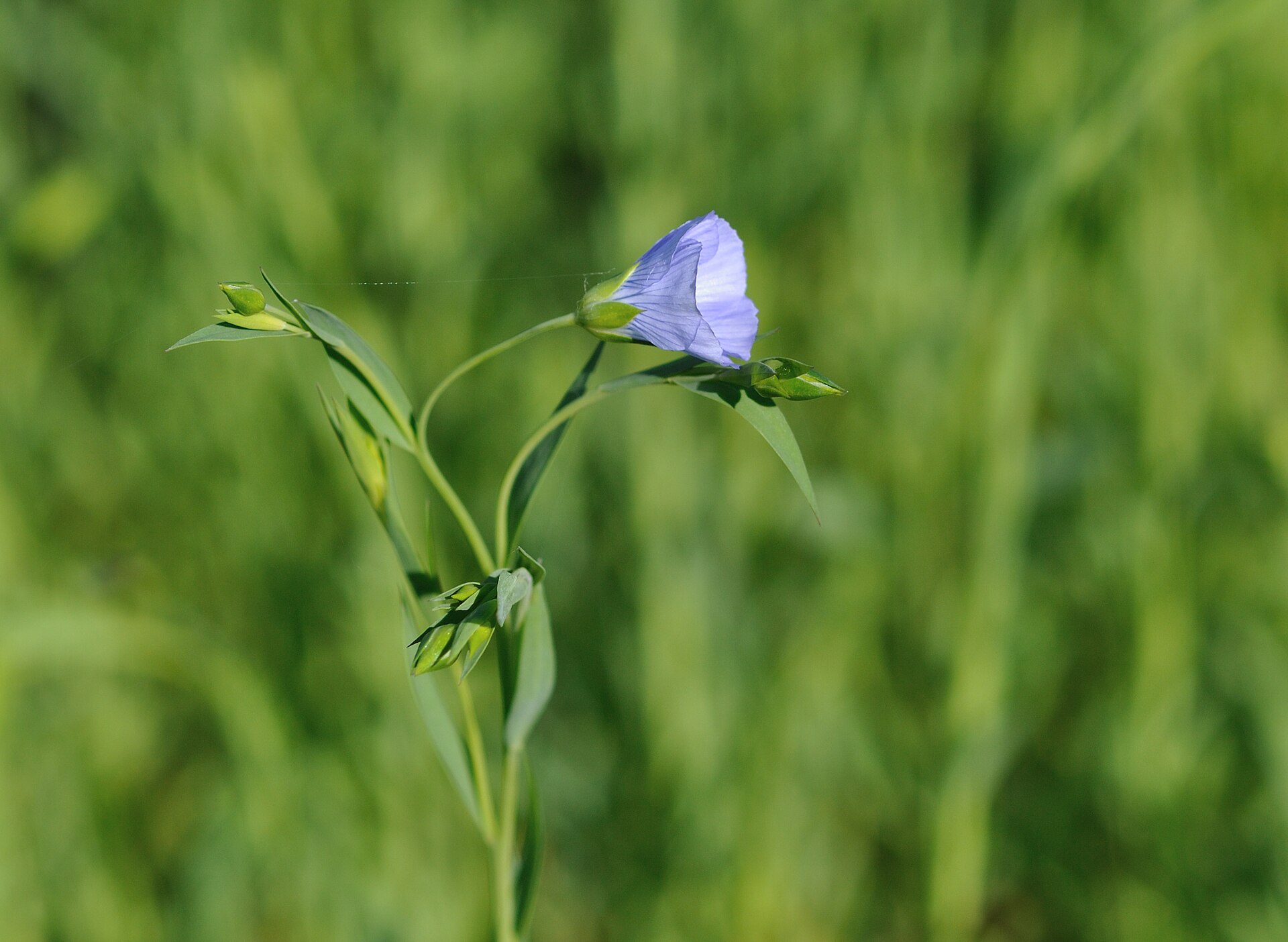
Linseed and linseed mash are among the oldest home remedies found in the equestrian stable. For generations, horse owners have turned to them, particularly for digestive issues and skin conditions. The Institute of Veterinary Pharmacology and Toxicology at the University of Zurich outlines how to prepare the mash and the appropriate dosage for your horse.
What's Behind This Traditional Home Remedy
Tradition: Digestion, Skin, and General Fortification
According to the Institute of Veterinary Pharmacology and Toxicology at the University of Zurich, farmers in German-speaking Switzerland and Ticino have long used preparations from flax, botanically Linum usitatissimum, for horses. Traditional uses include decoctions of the seeds, mucilage, and broths for the digestive tract and metabolism, skin, urinary and reproductive organs, as well as for general strengthening.
Internally, linseed mash is traditionally given for inflammation of the gastric and intestinal lining, gastrointestinal disorders, and constipation. Externally, linseed is used as a warm poultice for localized skin inflammations and to help ripen abscesses.
Linseed, Linseed Mash, and Linseed Oil
According to the University of Zurich, linseed oil is the fatty oil cold-pressed from the seeds, making it distinct from the seeds themselves or the mash. The Bavarian State Research Center for Agriculture describes positive effects of linseed oil on skin and coat, and an easier coat change, in a text on cattle feeding. For horses, however, as with many natural substances, there are few studies: plants cannot be patented and marketed, so expensive research is not profitable for anyone.
Preparing Linseed Mash
Soaking for Internal Use
The University of Zurich describes the following mash preparation:
- Combine 1 tablespoon of whole, crushed, or ground linseed with 150 ml of water.
- Allow to soak for 30 minutes.
- Prepare fresh and use on the same day.
For horses, the dosage table from the same source recommends 50–100 g of linseed per day, whether as whole seeds or as linseed mash. This refers to the quantity of the seeds, not the weight of the prepared mash.
Boiling for an External Poultice
For a warm, moist poultice, the University of Zurich describes a different preparation:
- Boil 2 parts linseed with 5 parts water, stirring constantly, for 5–10 minutes.
- Spread the thick paste 1–3 cm thick onto a cloth.
- Fold in the edges of the cloth and apply the poultice to the inflamed skin area.
This boiling method is intended for poultices, not for feeding.
What You Should Consider
Intestinal Obstruction and Medications
The University of Zurich lists intestinal obstruction as a contraindication. If you suspect this, call your vet immediately; linseed is not appropriate in such cases.
According to the University of Zurich, mucilages can reduce the absorption of other medications from the gastrointestinal tract, such as iron supplements. Potential interactions with anticoagulants, insulin, and oral blood sugar-lowering medications are also mentioned, and linseed can delay carbohydrate absorption. If your horse is on medication, discuss its administration with your vet beforehand.
Stick to the recommended daily amount: The University of Zurich cites infertility due to lignans as a risk of very high quantities.
Store Dry
Linseed contains the glycoside linamarin, from which hydrocyanic acid can be formed. According to the Bavarian State Research Center for Agriculture, this can decompose in linseed cake stored for longer than six months in damp conditions. Therefore, store linseed and ground linseed dry and avoid stocking up for months.
Equestrian Sport
As of 2023, the University of Zurich classifies linseed as not doping-relevant. However, as such classifications can change, always check the current list of prohibited substances from the International Equestrian Federation (FEI) before a competition.
Common questions
Do I need to boil linseed for linseed mash?
No. For mash intended for internal use, the University of Zurich advises soaking 1 tablespoon of linseed in 150 ml of water for 30 minutes. The seeds are only boiled for an external poultice.
How much linseed should a horse get per day?
The University of Zurich recommends 50–100 g of linseed per day, whether as whole seeds or as linseed mash. This refers to the quantity of the seeds, not the weight of the prepared mash.
Does linseed oil help with coat change?
The Bavarian State Research Center for Agriculture describes positive effects of linseed oil on skin, coat, and coat change in a text on cattle feeding. Linseed oil is the pressed oil and is not the same as linseed or linseed mash.
Can I give linseed mash together with medications?
Discuss this with your vet beforehand. According to the University of Zurich, mucilages can reduce the absorption of other medications, including iron supplements, anticoagulants, and insulin.
Sources
- Universität Zürich, Institut für Veterinärpharmakologie und -toxikologie: Lini semen – veterinärmedizinische Anwendung und Zubereitung von L (2023)
- Bayerische Landesanstalt für Landwirtschaft: Leinkuchen – Schleimbildung, Leinöl und Fell sowie Lagerung; Rinderfütterung, kein pferdespezif
- Titelfoto: Quartl, Wikimedia Commons
- Lizenz des Fotos: CC BY-SA 3.0

Written by Equidara editorial team. Last checked: 6 October 2026.
- Flowers of sulfur for horses: the body's clean-up crew — Part 1 of the “Forgotten remedies” series: what flowers of sulfur is, how it is used internally and externally, what amount has worked in my practice and which parts are scientifically proven.
- Equine Gastric Ulcers: Signs, Causes, and Definitive Diagnosis — Equine Gastric Ulcer Syndrome (EGUS) affects many horses, often without clear symptoms. Learn about the role of feeding and stress, and why only gastroscopy provides a definitive diagnosis.
- How to Identify Good Hay: Smell, Color, Dust, Mold, and Hay Analysis — You can identify good hay by its color, smell, and texture – but only a lab analysis can confirm whether it's truly healthy for your horse. Here's how to check quality step by step.
- Equine Mites: A Look at Sulfur Powder, Washes, and Lime Sulfur — Flowers of sulfur, daily washing, lime sulfur: Many stables still rely on old remedies for mites on horses' legs. Learn how these traditional methods are used and what modern veterinary medicine offers today.
Related
- Services and jobs — Farrier, vet, training, horse share.
- Saddles and accessories — For the horse: saddles, rugs, bridles, hoof protection.