
Forgotten remedies
Devil's Claw Before Competition: Clarify Lameness, Understand Withdrawal Periods
If your horse is lame, it needs a veterinary diagnosis. For Devil's Claw, the FN specifies a four-day withdrawal period in German national equestrian sport. Why withdrawal periods and clearance to compete are two different issues.
Equidara editorial team · 21 October 2026 · 3 min read
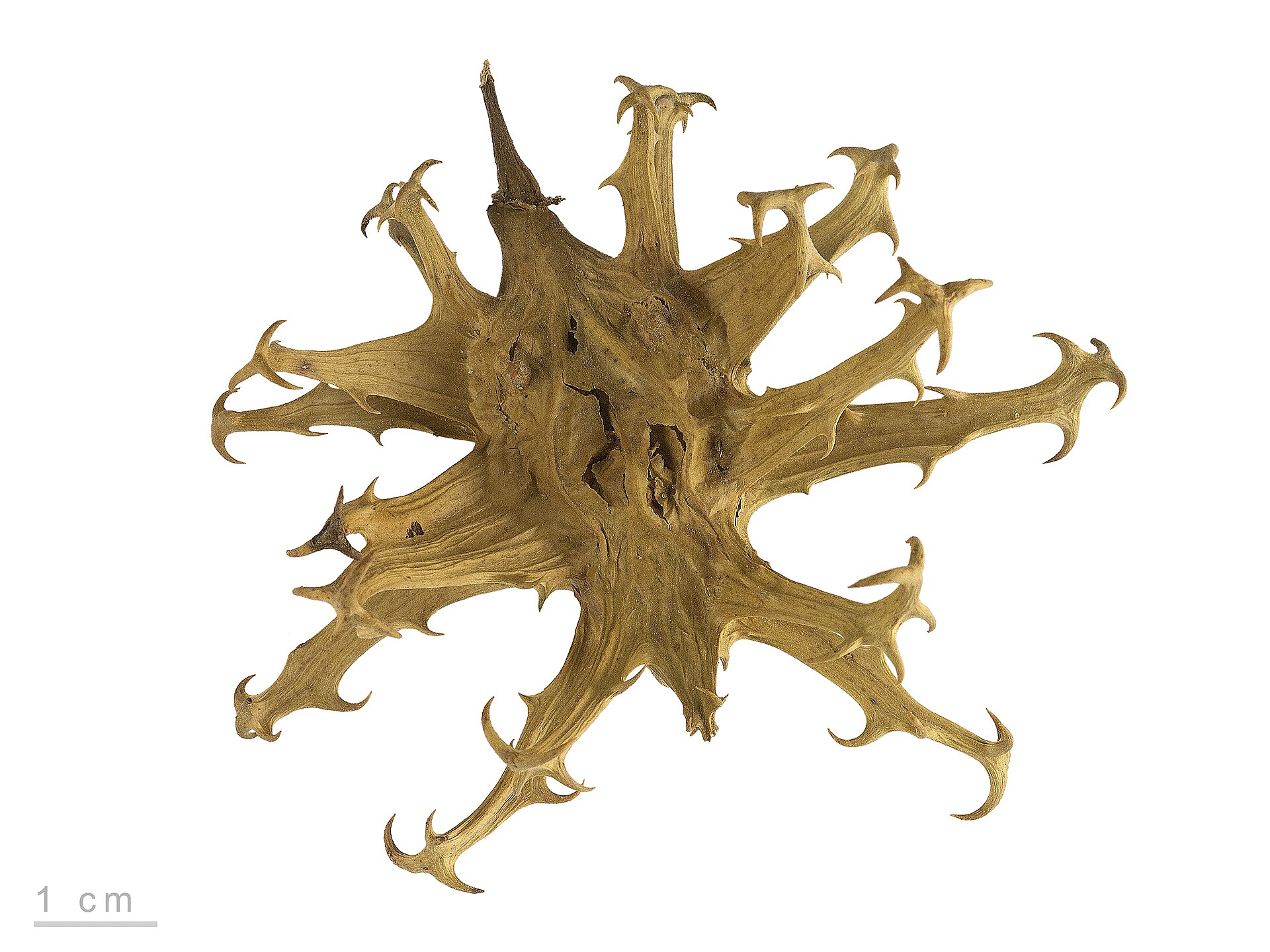
If you're considering Devil's Claw for joint issues and your horse is lame, the lameness must be professionally diagnosed by a veterinarian. According to the Deutsche Reiterliche Vereinigung (FN), treatment depends on the diagnosis. For Devil's Claw, the FN specifies a four-day withdrawal period in German national equestrian sport. Since rules and lists can change, you should check this information on the FN's website before each competition. You must consider the specified time frame and the question of whether your horse is cleared to compete again as separate issues.
First Clarify the Cause, Then Treat
According to the Treatment Guidelines of the Deutsche Reiterliche Vereinigung, horse owners may only treat mild, easily identifiable symptoms themselves. For lameness, treatment measures must be guided by a veterinary diagnosis. A home remedy does not replace this diagnosis.
According to the FN, you may only administer prescription medications in consultation with your veterinarian. Even if a competition is planned, the horse should be treated with the most effective means, according to FN guidelines. This explicitly applies even if it means a timely start is not possible.
Therefore, the competition calendar does not dictate which treatment is chosen. The diagnosis and appropriate measures remain paramount.
Distinguish Between Plant, Preparation, and Active Ingredient Group
When considering treatment options, it helps to distinguish between a plant, a preparation derived from it, and a studied group of active ingredients. A statement about a group of active ingredients cannot simply be applied to every herbal preparation.
The veterinary review on non-steroidal anti-inflammatory drugs in equine orthopedics describes these medications as an important component in the treatment of many orthopedic conditions in horses. The treatment of such conditions aims to reduce inflammation and associated pain and lameness. It also aims to minimize disease progression and long-term tissue damage.
The review also mentions potential side effects of this group of medications in the gastrointestinal tract and kidneys. These include ulcers in the mouth and stomach, inflammation of the right dorsal colon (right dorsal colitis), and the death of kidney tissue due to reduced blood flow to the renal medulla. This information refers to non-steroidal anti-inflammatory drugs. It does not describe the effects or tolerability of Devil's Claw.
Devil's Claw and National Competition Rules
In Germany, the FN's Anti-Doping and Medication Control Rules, or ADMR for short, are part of the Leistungs-Prüfungs-Ordnung (National Competition Rules). They form the binding regulatory basis for national equestrian sport, as explained by the Deutsche Reiterliche Vereinigung regarding Anti-Doping and Medication.
For Devil's Claw, the FN states a four-day withdrawal period in its treatment guidelines in connection with these national rules. A withdrawal period refers to the recommended time frame between the administration of a substance or the application of a method and participation in a competition.
Two requirements apply simultaneously: The illness must be completely cured. Additionally, the horse must be free of prohibited substances at the time of competition. Therefore, the expiration of a withdrawal period does not indicate whether an illness has healed.
With the FN's ADMR search engine, you can check individual substances. The search includes not only medications but also ingredients in feed and care products. It refers to the national rules in Germany. The decisive factor is the contained substances according to the respective regulations, not the designation of a product as herbal.
What You Should Pay Attention To
From the FN guidelines, these steps emerge:
- Have lameness professionally diagnosed by a veterinarian before deciding on treatment.
- Administer prescription medications only in consultation with your veterinarian.
- For a national start in Germany, check the contained substances with the ADMR search engine.
- For Devil's Claw, consider the four-day withdrawal period specified by the FN and check the FN's website before competing to ensure the information is still valid.
- Do not judge participation solely by the time elapsed since the last administration: The illness must be completely cured, and the horse must be free of prohibited substances at the time of competition.
Common questions
Does lameness need to be diagnosed by a veterinarian?
Yes. According to the Deutsche Reiterliche Vereinigung, the treatment of lameness must be guided by a veterinary diagnosis.
What withdrawal period does the FN specify for Devil's Claw?
The FN specifies four days in connection with the national ADMR in Germany. A withdrawal period is the recommended time frame between the administration of a substance and participation in a competition. Since rules can change, you should check the information on the FN's website before competing.
Can my horse compete again after the withdrawal period has expired?
The elapsed time alone is not sufficient. According to the FN's basic rules, the illness must be completely cured. Additionally, the horse must be free of prohibited substances at the time of competition.
Where can I check ingredients for national equestrian sport?
With the FN's ADMR search engine, you can check whether substances in medications, as well as ingredients in feed or care products, are permitted according to German national rules.
Sources
- Deutsche Reiterliche Vereinigung: Behandlung von Krankheiten und Verletzungen; tierärztliche Diagnose bei Lahmheit und nationale ADMR-Karenz
- Deutsche Reiterliche Vereinigung: ADMR-Suchmaschine zur Prüfung einzelner Substanzen im nationalen Turniersport; kein Ersatz für die FEI-Ver
- Veterinärmedizinische Fachübersicht: Nichtsteroidale Entzündungshemmer in der Pferdeorthopädie; Einordnung etablierter Behandlungen und ihre (2022)
- Titelfoto: Roger Culos, Wikimedia Commons
- Lizenz des Fotos: CC BY-SA 3.0

Written by Equidara editorial team. Last checked: 21 October 2026.
- Apple Cider Vinegar in Horse Feed: What Stable Wisdom Promises — Apple cider vinegar is traditionally used both internally and externally in equine practice. Here you'll find the mentioned applications, a recipe, and the limitations of dosage recommendations.
- Herbal Remedies for Your Competition Horse: What You Should Check Before Administration — Even with herbal remedies, competition rules apply. Here's what the FN and FEI say about substances, withdrawal periods, and supplements.
- Nettle in Horse Feed: Tradition, Ingredients, and Limitations — Nettles have a long history as animal feed. Discover what this tradition entails, which ingredients are described, and what you should consider when using them in your horse's diet.
- Honey for Horses: From Ancient Home Remedy to Medical Grade Wound Honey — Honey has a long history in wound care. Learn what sets medical grade wound honey apart, its described applications, and when your horse needs a vet.
Related
- Pferd kaufen mit AKU-Unterlagen — Verkaufspferde, bei denen das AKU-Protokoll direkt in der Anzeige zu haben ist.
- Services and jobs — Farrier, vet, training, horse share.
- Saddles and accessories — For the horse: saddles, rugs, bridles, hoof protection.