
Feeding & Care
Stable Water Supply: Needs, Waterers, and Frost Protection
Water should always be available. Learn what's important for waterers, pipes, and water quality, and how to correctly interpret technical specifications for frost protection.
Equidara editorial team · 17 October 2026 · 4 min read
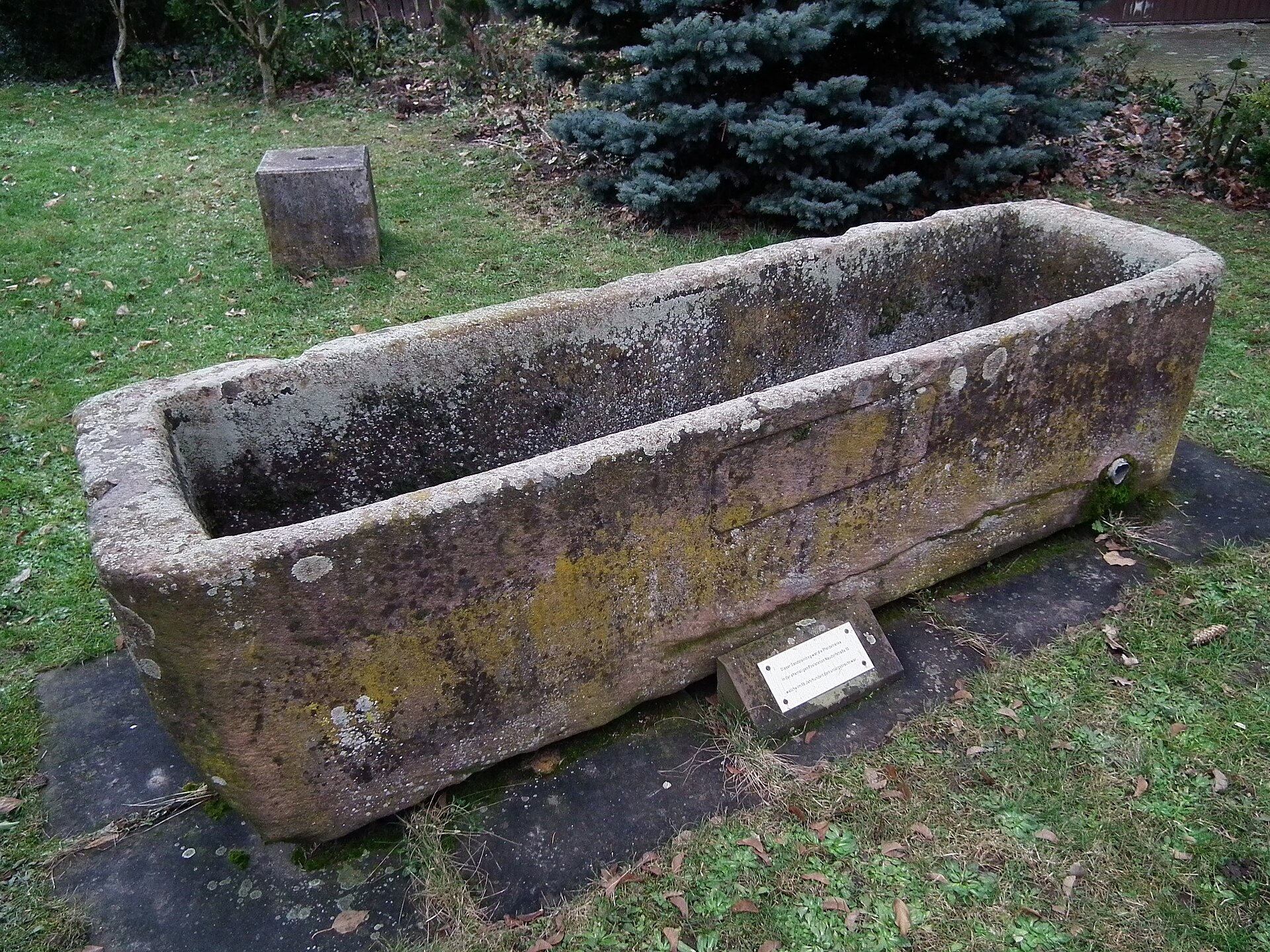
For your stable's water supply, it's crucial to have constantly available water, suitable waterers, and functional piping. The German framework for drinking water quality does not specify a fixed daily amount for horses. Requirements depend on factors such as feeding, performance, and weather conditions. Check the function of your waterers daily. For frost protection, you must consider regional conditions. The technical specifications for this originate from cattle farming and are not explicitly horse-specific recommendations. All sources mentioned here are from Germany.
Daily Requirements: No Fixed Liters
According to the Federal Ministry of Food and Agriculture, the demand-dependent guideline for livestock in general is two to five liters of water per kilogram of dry matter consumed. Dry matter refers to the portion of feed without water. This figure is not a horse-specific daily amount.
The guideline depends on the animal species, type of use, performance, feeding, and weather conditions, such as temperature. Therefore, you should not derive a fixed daily ration for your horse from this range alone.
The framework recommends keeping drinking water constantly available. Insufficient provision can reduce feed intake and performance. It's not enough for water to simply be supplied: it must also be suitable when the animal actually consumes it. This may require appropriate design and installation, as well as regular cleaning and maintenance of the watering facilities.
Watering Systems: Combining Access and Cleanliness
According to the German Environment Agency, open water troughs allow for unimpeded water intake. At the same time, they are particularly susceptible to contamination from falling feed residues or manure. Therefore, when choosing, not only the trough itself matters, but also its location and installation.
The German Environment Agency suggests the following ways to reduce the risk of contamination:
- As much distance as possible from the feeding table or feed trough.
- A height appropriate for the animal species and housing system.
- Deflector bars or covers.
Furthermore, a sufficient number of waterers and daily function checks are important so that all animals have access to water. A suitable water trough does not replace these checks.
Consider Pipes and Biofilm
Water quality doesn't just concern the visible water trough. Biofilm can also form in pipes and watering facilities. Germs can multiply within this biofilm.
According to the German Environment Agency, stable temperature, dirt, and moisture promote the multiplication of germs in biofilm. Not all of these germs are pathogens. Within biofilm, they are largely protected from cleaning and disinfectants. Increased water temperature favors their growth.
If you completely replace a piping system, the German Environment Agency recommends ring main systems instead of dead-end or series pipes. In ring main systems, water can circulate, giving biofilms fewer opportunities to develop. This recommendation applies to complete replacement, not to every existing system in general.
According to the German Environment Agency, piping materials prone to corrosion damage or pollutant entry are not suitable for stable use. Corrosion also promotes biofilm adhesion. After using disinfectants, the pipes should be flushed. This prevents animals from ingesting chemicals, and any released toxins, such as endotoxins, do not remain in the system.
Take Water Samples Appropriate for Testing
For routine samples, the Federal Ministry's framework recommends the point of entry if possible. In case of abnormalities or to clarify animal diseases, additional samples should be taken at the waterer. If your horse is ill, clarification belongs in the hands of your veterinarian.
Coordinate sampling with the laboratory. The Bavarian State Institute for Agriculture also advises, in its information on cattle farming, to inquire about the procedure with the laboratory beforehand. The appropriate sampling location and test parameters may depend on the purpose of the examination.
Winter Frost Protection: Correctly Interpreting Technical Specifications
The DLG-Merkblatt 498 on Water Supply for Cattle from the German Agricultural Society specifies a depth of between 0.8 and 1.2 meters for frost-proof installation of water supply lines, depending on the region. This is a technical background specification from cattle farming, not an explicitly horse-specific recommendation. Because the leaflet originates from Germany, this range cannot be easily transferred to colder regions of Europe. You should best clarify the necessary depth for your location with a local specialist company.
The cattle leaflet also calls for technical measures against the back-siphoning of potentially contaminated water in case of pressure loss in the public network. It requires commissioning a specialist company for this, as possible solutions are not uniformly evaluated. This advice also originates from cattle farming.
Common questions
How many liters of water does a horse need daily?
The German framework from the Federal Ministry of Food and Agriculture does not specify a horse-specific daily amount. The guideline of two to five liters per kilogram of dry matter consumed applies to livestock in general and depends on factors such as animal species, performance, feeding, and weather conditions.
How often should I check the function of the waterers?
The German Environment Agency recommends daily function checks. Furthermore, a sufficient number of waterers is important so that all animals have access to water.
What helps against contamination in open water troughs?
According to the German Environment Agency, as much distance as possible from the feed trough, an appropriate height, and deflector bars or covers can reduce the risk. Open troughs remain particularly susceptible to falling feed residues or manure.
How deep should water pipes be laid for frost protection?
The German DLG-Merkblatt 498 for cattle specifies 0.8 to 1.2 meters, depending on the region. This technical specification is not an explicitly horse-specific recommendation and cannot be easily transferred to colder regions of Europe. A local specialist company can clarify the appropriate depth for your location.
Sources
- Bundesministerium für Landwirtschaft, Ernährung und Heimat – Hygienische Qualität von Tränkwasser; bedarfsabhängige Wassermengen, ständige V
- Umweltbundesamt – Tränkwasserversorgung im Stall; Tränkegestaltung, Wasserqualität und tägliche Funktionskontrollen. Tierartspezifische Anga (06.02.2025)
- Deutsche Landwirtschafts-Gesellschaft – Merkblatt 498 zur Wasserversorgung für Rinder; technische Hintergrundquelle für frostsichere Leitung (05/2025)
- Wasser - LfL
- Titelfoto: 4028mdk09, Wikimedia Commons
- Lizenz des Fotos: CC BY-SA 3.0

Written by Equidara editorial team. Last checked: 24 October 2026.
Fachlich geprüft von Melissa Hinze, Pferdezüchterin und Pferdehändlerin, Gründerin von Equidara.
- Calculating Concentrate Requirements: How Weight, Workload, and Breed Make a Difference — Energy requirements alone don't tell you how much concentrate to feed. Here's how to factor in weight, breed, and workload, and account for the energy provided by forage.
- Mash and Hay Cobs: When They Make Sense for Your Horse — Mash provides energy and can be beneficial after digestive issues or illness. Hay cobs are helpful when a horse can no longer chew hay adequately. The key factors are your horse's needs, preparation, and the overall diet.
- Transport Stress in Horses: Recognizing Signs and Preparing for Journeys — Transport stress can begin even before loading. Here's how to recognize warning signs, gradually prepare your horse, and plan for feed and water breaks during the journey.
- Equine Coat Change: What's Normal and How to Adjust Your Horse's Diet — Your horse sheds its coat in spring and autumn. Here, you'll discover what triggers this change, how the coat protects the skin, and what's crucial for their diet during this time.
Related
- Saddles and accessories — For the horse: saddles, rugs, bridles, hoof protection.
- Available stalls — Boarding, open stable, self-care, with monthly price.