
Feeding & Care
Hoof Care Through the Seasons: What Dry and Wet Hooves Need
Too dry and the horn crumbles; too wet and it softens. Here's how to keep your horse's hooves balanced throughout the year: with proper management, mucking out, regular checks, and scheduled appointments.
Equidara editorial team · 6 October 2026 · 4 min read
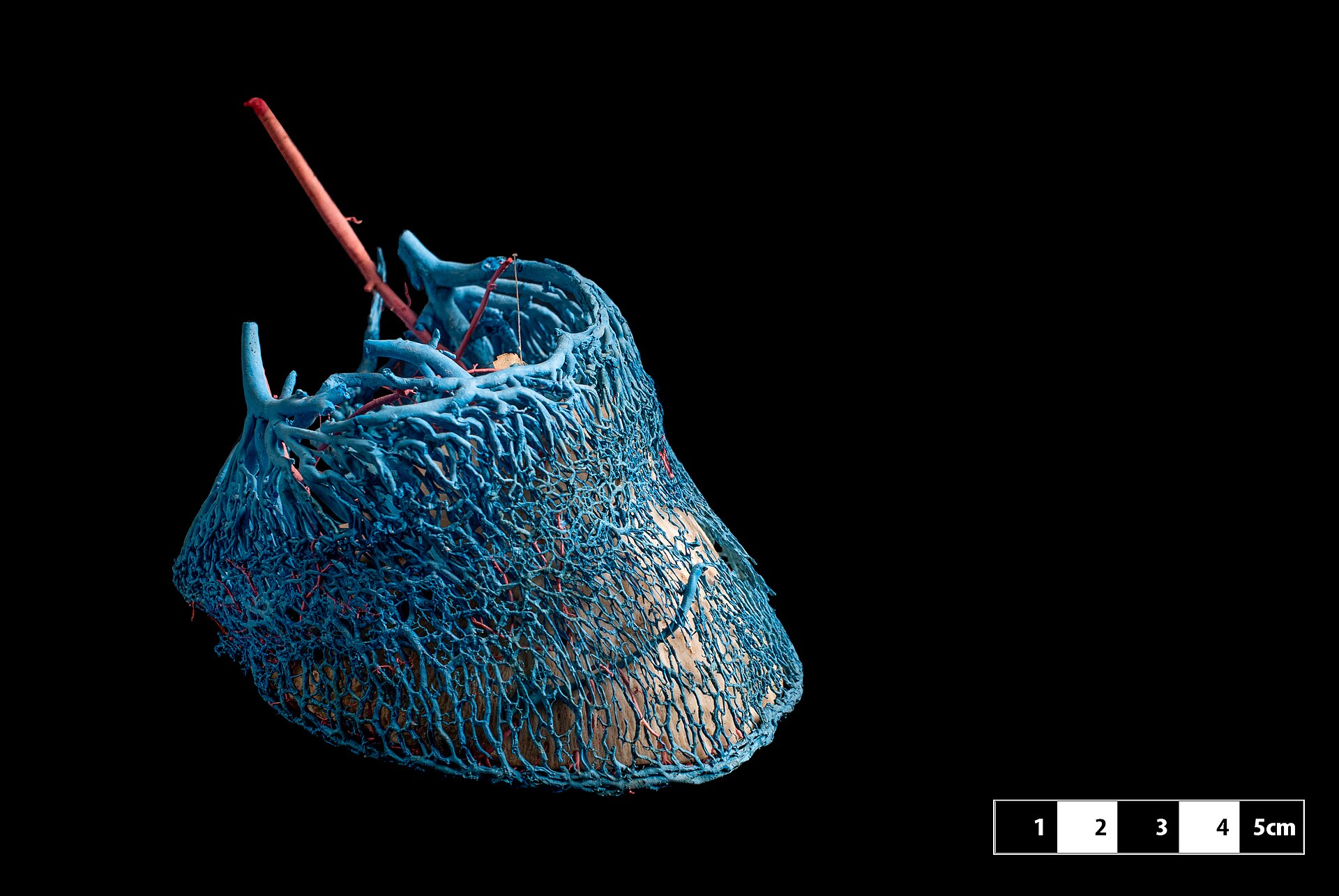
Healthy hooves don't need a cabinet full of products, but rather a stable environment. The horn should neither dry out nor remain constantly soft. The most damage is caused by the constant fluctuation between these two extremes. As stated in an article by cavallo.de on hoof health: horn that is too dry crumbles, while hooves that are too moist soften. Therefore, clean ground, exercise, regular inspections, and consistent appointments with your farrier or hoof care professional are paramount.
Dry or Wet: How to Recognize the Condition
Check your horse's hooves daily. Typical signs include:
- Dry horn: It crumbles, chips at the wall, or develops cracks.
- Overly moist horn: It appears soft and swollen, and is more susceptible to external influences.
- Thrushy areas: A noticeable odor or greasy collateral grooves can indicate thrush-causing bacteria. In such cases, call your farrier or veterinarian.
Guidelines from the Federal Ministry of Food and Agriculture for assessing horse husbandry stipulate that hooves must be regularly checked for their condition. The sole and collateral grooves should be cleaned before and after each use.
Wet Phases: Mud, Pasture, Paddock
In Central Europe, winters are becoming increasingly mild and damp. landtiere.de describes this in an article about horse hooves in winter. Persistent moisture on soggy pastures, paddocks, and turnouts causes the horn to swell. It then becomes more vulnerable to thrush-causing bacteria, fungi, and de-icing salts.
What you can do:
- Temporarily stabilize muddy areas with sand or wood chips.
- If you are building or renovating: A professionally constructed base with drainage and optimized footing, while expensive, is very effective in the long term, according to landtiere.de. A combination of sand and paddock mats is suggested.
- Don't completely forgo turnout. Horses need daily exercise, even in winter. However, you can limit pasture time to a few hours so the hooves can dry out in between.
Ammonia: The Underestimated Hoof Damage
Ammonia not only affects the respiratory tract. According to landtiere.de, it also damages the hoof horn. Dirty paddocks and poorly mucked-out stalls are therefore detrimental to hooves, especially in winter when horses spend many hours inside.
Ministerial guidelines provide clear benchmarks:
- Choose bedding with good moisture absorption.
- Remove manure and wet bedding usually once a day, and more often in heavily used areas.
- Maintain relative humidity in the stable at 60 to 80 percent. It should not consistently exceed 80 percent, as bacteria, molds, and parasites thrive in moist environments.
Winter: Slower Growth, More Stall Time
Very dry cold tends to make the horn firm and hard. In winter, hoof horn also grows slower because the metabolism somewhat reduces its activity. Additionally, there's often less movement, which means the hoof receives poorer circulation. Many horses move more cautiously on frozen ground, and fresh grass, an incentive for movement, is absent.
Practically, this means:
- Ensure daily turnout and exercise, even in frosty conditions.
- Maintain your shoeing cycle. According to landtiere.de, it can generally be kept consistent even in winter.
- Expect a horse to lose a shoe more often in deep mud.
- For barefoot horses, check if the horn wears down faster on hard winter ground. Hoof boots can help in such cases.
- Be mindful of road salt and de-icing salts. They can irritate hooves. Clean hooves thoroughly afterward.
Hoof Products: Effects Take Time
More important than hoof care products, according to landtiere.de, are the management conditions. If you still want to apply something, you can use breathable hoof balms or gels. They can help keep the horn supple when wet and dry phases constantly alternate.
Laurel oil is often massaged into the coronary band to stimulate circulation. However, it takes a comparatively long time for an effect to become visible. The same applies to special feeds designed to support hoof quality. A hoof takes about a year to fully regrow. Therefore, changes appear slowly, and you need patience.
If you plan to change your horse's diet, discuss it with your veterinarian. The guidelines require that feed meets the individual animal's needs. Overfeeding is to be avoided, as is malnutrition.
Appointments: Every Six to Eight Weeks
The guidelines specify fixed intervals for hoof checks:
- For unshod horses, you generally check hoof conformation and wear every 6 to 8 weeks. Correct as needed.
- Shod horses typically require new shoeing every 6 to 8 weeks as well.
- If the hoof condition or use demands it, ensure professional shoeing or other suitable hoof protection.
According to the guidelines, trimming hooves, altering conformation and shape, and selecting shoes and hoof protection can have significant consequences for health and well-being. Therefore, leave trimming and shoeing to professionals. Accustom foals and young horses early to holding up their legs for hoof care.
For cracks, lameness, pain on palpation, or a foul odor, the hoof needs veterinary attention. Care tips are no substitute for a diagnosis.
The Annual Hoof Care Checklist
- In wet conditions: Stabilize the ground, limit pasture time, pick out hooves and allow them to dry.
- During frost and stall time: Muck out, ensure exercise, remove salt residues.
- In changeable weather: Inspect hooves daily and report any changes early.
- All year round: Keep appointments every six to eight weeks.
Common questions
How often should a horse have its hooves trimmed or shod?
The guidelines from the Federal Ministry typically recommend an interval of 6 to 8 weeks for both unshod and shod horses. The hoof condition and the horse's use may necessitate a different rhythm.
Does mud harm hooves?
Persistent moisture causes the horn to swell and makes it more susceptible to thrush-causing bacteria, fungi, and de-icing salts. Limit time on wet surfaces, temporarily stabilize problem areas with sand or wood chips, and keep stalls and paddocks clean.
How quickly do hoof balm, laurel oil, or special feeds work?
Slowly. Hoof horn renews itself gradually; an entire hoof takes about a year to regrow. According to landtiere.de, management conditions are more important than care products.
Why is mucking out so important for hooves?
Ammonia from urine and manure damages the hoof horn. The Ministry's guidelines stipulate that wet bedding and manure should generally be removed once a day.
Sources
- Leitlinien zur Beurteilung von Pferdehaltungen unter Tierschutzgesichtspunkten (Bundesministerium für Landwirtschaft, Ernährung und Heimat) (2026-10-02)
- Pferdehufe im Winter: So bleiben sie bei Frost und Nässe gesund (landtiere.de) (2026-10-02)
- Hat mein Pferd gesunde Hufe? (cavallo.de) (2026-10-02)
- Titelfoto: Museum of Veterinary Anatomy FMVZ USP / Wagner Souza e Silva, Wikimedia Commons
- Lizenz des Fotos: CC BY-SA 4.0

Written by Equidara editorial team. Last checked: 6 October 2026.
- Flowers of sulfur for horses: the body's clean-up crew — Part 1 of the “Forgotten remedies” series: what flowers of sulfur is, how it is used internally and externally, what amount has worked in my practice and which parts are scientifically proven.
- Strangles in horses: how it spreads, the signs and what buyers should know — Strangles is a highly contagious infection of the upper airways. We explain the signs, how it spreads and what silent carriers are, and show how to bring a new horse onto your yard safely.
- Equine herpes: what EHV-1 and EHV-4 cause and what to do if you suspect it — Many horses carry equine herpesvirus without showing it. We explain the forms of EHV-1, why the thermometer matters so much, how you can prevent infection and what the 2021 outbreak in Valencia showed.
- How to Identify Good Hay: Smell, Color, Dust, Mold, and Hay Analysis — You can identify good hay by its color, smell, and texture – but only a lab analysis can confirm whether it's truly healthy for your horse. Here's how to check quality step by step.
Related
- Saddles and accessories — For the horse: saddles, rugs, bridles, hoof protection.
- Available stalls — Boarding, open stable, self-care, with monthly price.