
Buying & Selling
Monthly Horse Costs: Board, Feed, Farrier, and Other Expenses
Boarding fees, feed, and hoof care can be estimated within certain cost ranges. On top of that, you'll need to factor in vet bills, insurance, and potential extra services. Here's how to differentiate between monthly costs and per-appointment expenses.
Equidara editorial team · 4 October 2026 · 5 min read
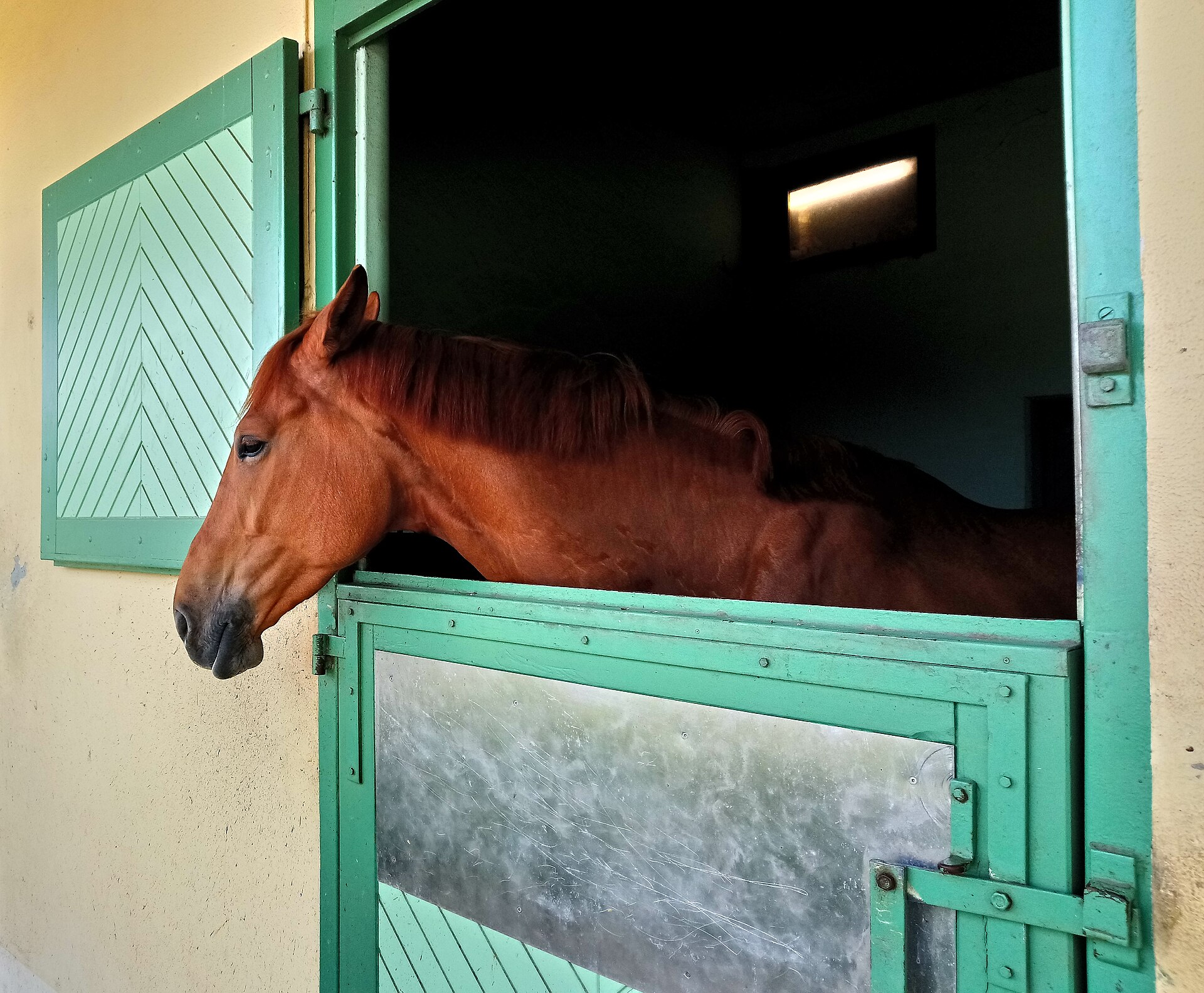
According to the State Animal Welfare Commissioner of Hesse, monthly costs for a horse include 300 to approximately 700 Euros for boarding, 20 to about 80 Euros for concentrates and supplements, and 15 to around 100 Euros for hoof care and shoeing. These are indicative figures from their detailed cost overview, not a complete total. Additionally, you'll need to consider vet expenses and insurance. When it comes to boarding, it's also important to know what services and feed are already included.
Monthly Horse Costs at a Glance
According to the State Animal Welfare Commissioner of Hesse, essential ongoing costs include boarding, feed, farrier, vet, surgical and liability insurance, as well as equipment for both horse and rider. Their detailed overview provides monthly ranges for the following items:
| Cost Item | Monthly Range | Notes |
|---|---|---|
| Boarding | 300 to approximately 700 Euro | Varies by region; no fixed upper limit |
| Concentrates and Supplements | 20 to approximately 80 Euro | Note feed already included in boarding package |
| Hoof trimming and shoeing | 15 to approximately 100 Euro | Monthly estimate, not the cost of a single appointment |
Don't just add these items together without careful consideration. According to the Hessian State Animal Welfare Commissioner, hay and concentrates are usually already included in the boarding fee. Therefore, your budget depends on what you actually need to pay for additionally.
Boarding: Evaluate Price and Scope of Services Together
The Hessian source cites two different ranges. In the running text, it states 300 to 600 Euros, depending on geographical location and stable facilities. It also notes that the rent can be higher. The detailed overview, however, lists 300 to approximately 700 Euros per month. This monthly overview is authoritative for the table above; its upper figure is not a price ceiling.
According to the Bavarian State Institute for Agriculture, the boarding price depends, among other things, on the scope of services. Typically, this includes feeding, turnout, housing, mucking out, and bedding.
Additional services are separate from these. The Bavarian calculation, for example, records turnout and blanketing services separately from the boarding price. The Hessian State Animal Welfare Commissioner also points out that many stable operators charge extra for individual services, such as leading horses to pasture or putting on a fly mask.
For your comparison, this means: don't just compare boarding fees side-by-side, but also the services included and those charged additionally.
Feed: Separate Included Provisions from Additional Costs
The monthly range of 20 to approximately 80 Euros in the Hessian cost overview refers to concentrates and supplements. It is not a flat-rate surcharge on every boarding fee.
According to the Hessian State Animal Welfare Commissioner, alternative feed required for health reasons incurs additional costs. She cites grain-free feed as an example. You should discuss with your vet whether your horse needs different feed for health reasons.
Therefore, in your budgeting, separate the feed that is included from what you need to purchase additionally. This way, you can clearly see which expense is part of the boarding fee and which is an extra cost.
Farrier: Differentiate Between Monthly Estimate and Per-Appointment Cost
According to the Hessian State Animal Welfare Commissioner, farriers or hoof trimmers usually visit every six to eight weeks. An appointment, according to her figures, costs between 30 and 200 Euros. The deciding factor is whether the hooves are merely trimmed or if a full set of shoes is required.
The detailed overview, however, estimates 15 to approximately 100 Euros per month. These two ranges describe different things: the bill for a single appointment and the monthly cost estimate. When you're setting up your budget, keep these units separate. The per-appointment price is not automatically your monthly expense.
Factor in Vet and Insurance Costs
According to the Hessian State Animal Welfare Commissioner, vet costs are among the ongoing expenses. In a life-threatening emergency, such as colic, a potentially necessary life-saving operation can cost an additional five-figure sum. For any health issues, your vet is your primary point of contact.
According to the Hessian source, surgical insurance can help cushion such operation costs. They also list liability insurance as another ongoing cost item. Their overview states surgical insurance from 15 Euros and liability insurance from 10 Euros per month. These are lower limits, not complete price ranges. Therefore, for your monthly budget, you should use the premiums from your specific policies.
Categorize Other Expenses Before Purchase
Equipment for both horse and rider should also be included in your cost planning, according to the Hessian State Animal Welfare Commissioner. For riding lessons, her overview lists 20 to approximately 80 Euros per session. This is a per-hour price, not a monthly amount.
For young, untrained horses, it's also important to note: according to the same source, they are generally sold at a lower price but incur significant additional costs for raising and training. A lower purchase price therefore says little about the subsequent expenses.
If you're working with the Bavarian boarding horse calculation, pay attention to its reference values. It is intended for businesses and calculates per horse per year. It uses net values without VAT and is pre-filled with Bavarian average values for a riding horse of approximately 600 kilograms. Adjustments may be necessary for smaller horses or ponies. The State Institute describes all default values as rough guidelines that must be replaced by operation-specific data for a concrete calculation.
Common questions
What is the monthly cost for horse boarding?
The detailed overview from the State Animal Welfare Commissioner of Hesse lists 300 to approximately 700 Euros, depending on the region. The running text, however, states 300 to 600 Euros, with the note that the rent can also be higher.
Do I have to pay for feed in addition to boarding?
According to the State Animal Welfare Commissioner of Hesse, hay and concentrates are usually included. However, alternative feed required for health reasons incurs additional costs. Therefore, check the scope of services included in the boarding package.
How much does a farrier cost?
The State Animal Welfare Commissioner of Hesse states 30 to 200 Euros per appointment, depending on whether the hooves are only trimmed or if a full set of shoes is required. Appointments usually occur every six to eight weeks. Her monthly cost overview estimates 15 to approximately 100 Euros.
Which insurances should be included in the monthly budget?
The State Animal Welfare Commissioner of Hesse lists surgical and liability insurance as ongoing costs. Surgical insurance can help cushion high operation costs in a life-threatening emergency, such as colic. The overview states from 15 Euros per month for surgical insurance and from 10 Euros for liability insurance. These are lower limits, not complete premium ranges.
Sources
- Landestierschutzbeauftragte Hessen – Spannbreiten für Stallmiete, Futter, Hufschmied, Tierarzt und Versicherungen: tierschutz.hessen.de
- Bayerische Landesanstalt für Landwirtschaft – Kalkulationsdaten zur Pensionspferdehaltung und zu Futterkosten: stmelf.bayern.de
- Titelfoto: Philippe Alès, Wikimedia Commons
- Lizenz des Fotos: CC BY-SA 4.0

Written by Equidara editorial team. Last checked: 4 October 2026.
- The Pre-Purchase Exam: Why X-ray Grades Are a Thing of the Past (Since 2018) — "What class is the horse?" is the most common question when buying a horse, and since 2018, it's the wrong one. The X-ray guidelines have abolished these classes. Here's what you'll find in the report instead, who pays for the exam, and what should be included in the purchase contract.
- Commission on Horse Purchases: When it Arises, Who Pays It, and When It's Forfeited — A commission isn't simply earned because someone offered assistance. It requires a brokerage agreement, a clear link between the activity and the successful sale, and a contract that is actually concluded. If you're working for both parties, you must disclose this, or your claim to the commission is at risk.
- Rescinding a Horse Purchase: Deadlines, Burden of Proof, and How the Reversal Process Works — Rescinding a contract requires a defect that was already present at the time of handover. This is almost always preceded by a deadline for the seller to remedy the defect, followed by a reversal process where the buyer doesn't just return the horse. Learn what applies when, and which mistakes can cost you your claim.
- Warranty in Horse Sales: Private, Commercial, and When You're Considered a Professional Seller — Between private individuals, warranties can be excluded, but not when selling to a consumer. The grey area lies in determining when someone is considered a professional seller, a decision not made by a form, but by the overall circumstances.
Related
- Buy horses — Horses for sale from all over Europe, with transport search.
- Purchase contract template — Template for horse and saddle to fill out.
- List your horse internationally — Post your horse distributes the listing to many portals.