
Buying & Selling
Buying Your First Horse: Checklist and Questions for the Seller
Proper preparation and asking the right questions will help you find the perfect first horse. Use this practical checklist for the viewing, trial ride, and vet check.
Equidara editorial team · 22 October 2026 · 4 min read
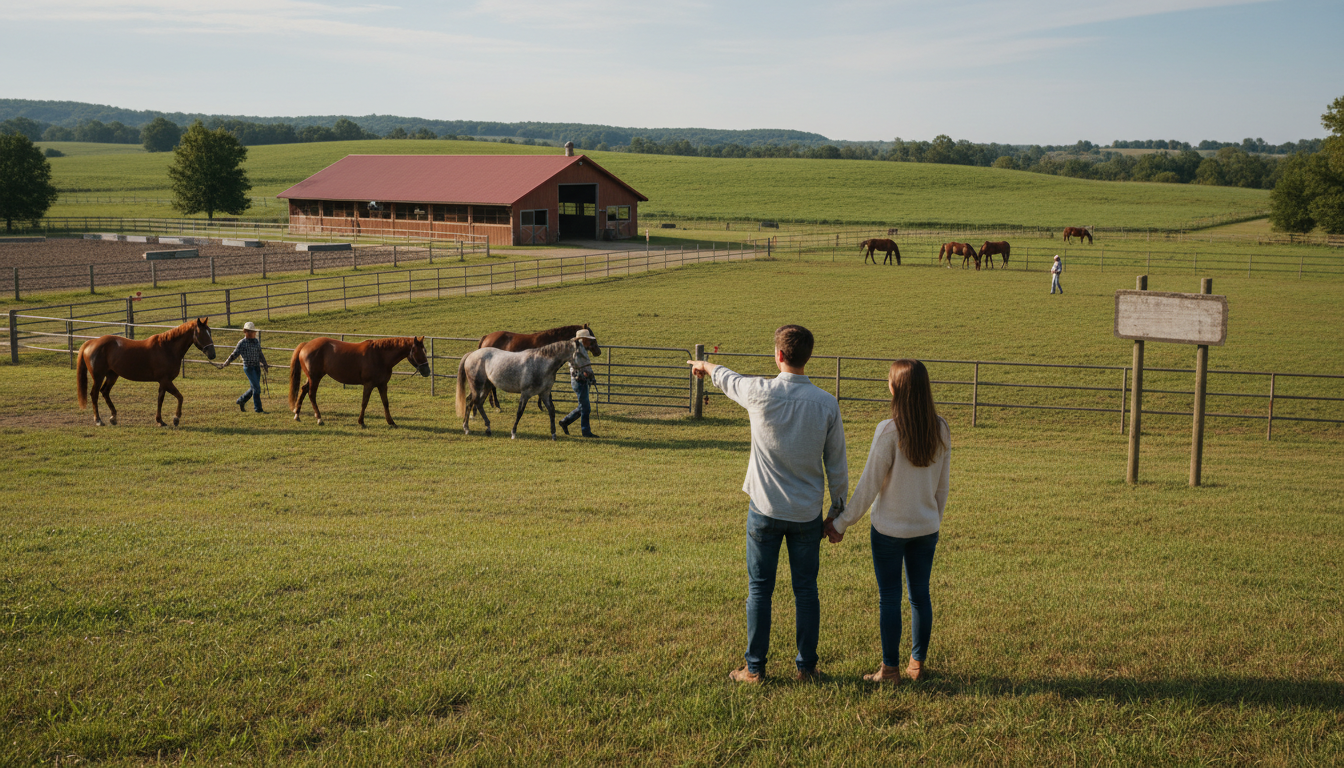
Buying your first horse is an exciting milestone—and one that requires careful preparation. Armed with a systematic checklist, a keen eye, and the right questions for the seller, you can sidestep the most common pitfalls. This guide walks you through everything you need to know.
Before the First Visit
Before you view a horse, clarify your circumstances. Consider how much time you can devote daily to care, exercise, and training, and check whether your budget covers not only the purchase price but also ongoing costs like stable rent, feed, farrier, and vet. You should also compare useful insurance policies early on—such as horse liability insurance and surgery or health insurance.
The Viewing: What to Look For
During the first appointment, you'll take in many impressions. Observe the horse in its familiar environment—in the pasture, in the stall, and during handling by the seller. Pay attention to its condition, body language, and how it reacts to touch.
Ask to see the equine passport and check that the identification number matches the microchip. The passport also documents previous treatments. If the information in the sales ad matches reality, you have a solid foundation for the next steps.
Questions for the Seller – The Practical Checklist
Ask the seller as many questions as possible. Good answers will give you confidence and help you assess the horse's character and suitability.
- Why is the horse being sold?
- Where does the horse come from and how many previous owners has it had?
- How has it been kept (stall, open stable, pasture, feed, exercise)?
- What is its training level, does it have show experience?
- Are there any behavioral issues, fears, or vices?
- How does it behave with people, during grooming and leading?
- What illnesses or injuries has it had in the past, when was the last deworming?
- Are all papers complete: equine passport, certificate of ownership, breeding papers?
- Is there a current pre-purchase exam (PPE) or X-rays?
Asking for the equine passport and a meaningful PPE is especially important—this is how you reliably verify identity and health status.
The Trial Ride
Have an experienced person accompany you during the trial ride. Two pairs of eyes see more and help you objectively assess your first impression. First, have the seller ride the horse in all gaits so you can get a feel for its movement and rideability. Then ride it yourself—systematically in walk, trot, and canter, with transitions and on both reins. Also take time for groundwork, leading, and grooming to experience the horse in different situations. A reputable seller will allow you this time.
The Pre-Purchase Exam (PPE)
If you have a horse on your shortlist and a concrete intention to buy, a veterinary pre-purchase exam is recommended. It provides an independent assessment of the current health status and suitability for your intended use.
- Small PPE: clinical examination including auscultation of heart and lungs, respiratory rate, palpation, temperature measurement, and assessment of skin and coat.
- Large PPE: additionally includes imaging (ultrasound, X-rays) and blood analysis.
Which option is right depends on the purchase price and your goals. Costs vary widely—ask your vet in advance. You can later attach the examination report as an appendix to the sales contract.
The Sales Contract
Even if in some regions buying a horse by handshake is still tradition, a written sales contract is your best protection. It records the agreed condition of the horse, the purchase price, and the applicable warranty rights. Pre-formulated contract templates from the internet often contain ineffective clauses that are of little use in a dispute. Have the contract reviewed by a lawyer specializing in animal law before signing. This way you avoid unpleasant surprises and create legal certainty for all parties involved.
After the Purchase
Once the contract is signed and the horse is taken over, the acclimatization begins. Establish contacts with a vet and a farrier as early as possible so that regular appointments for health checks and hoof care are in place from the start. Keep their contact details handy at all times in case of an emergency. Gradually accustom the horse to the new stable, pasture group, and feed—this way you avoid digestive problems and unnecessary stress.
Common questions
What is the difference between a small and a large pre-purchase exam?
The small PPE includes a clinical examination (heart, lungs, respiration, skin, temperature) and provides an initial overview. The large PPE adds imaging such as X-rays and ultrasound as well as blood analysis. Which one is advisable depends on the intended use and purchase price—your vet can advise you.
Do I absolutely need a written sales contract?
A written contract is not legally required, but it is strongly recommended. Only in this way can you later prove what characteristics and health condition were agreed upon. Have the contract reviewed by a professional to avoid ineffective clauses.
What papers belong to the horse?
Every horse must have an equine passport that contains the identification number and microchip. This is accompanied by a certificate of ownership. For breeding horses, breeding papers are also included. Make sure all documents are complete and match the horse.
Are the details in the sales ad binding?
The ad is initially an invitation to view the horse. The details only become binding when they are included in the sales contract. Therefore, check all essential points—health status, training level, character—and record them in writing.
Sources
- Pferdekauf: Das erste eigene Pferd (2026)
- Pferdekauf | Achtung beim Pferdekauf - Tipp vom Anwalt für Pferderecht (2026)
Written by Equidara editorial team. Last checked: 22 October 2026.
- The Horse Pre-Purchase Exam: Explaining the Basic and Extensive PPE — The basic Pre-Purchase Exam (PPE) covers the clinical examination, while the extensive PPE includes X-rays. Learn what's examined and how to clarify the scope, commission, and cost coverage in advance.
- Selling Your Horse: The Order That Saves Time and Trouble — Ten steps from decision to handover. Following them in this sequence will help you craft better ads, receive more suitable inquiries, and avoid being caught without essential documents during viewings.
- Buying a Horse Online: What Your Contract Must Include When No One Has Test Ridden — A right of withdrawal is almost never applicable when buying a horse. If you're buying or selling without an in-person viewing, your contract is your safeguard. Four key points truly mitigate the risk: defining the intended use, a pre-purchase examination with a clear deadline, staggered payments, and an honest video.
- The Pre-Purchase Exam: Why X-ray Grades Are a Thing of the Past (Since 2018) — "What class is the horse?" is the most common question when buying a horse, and since 2018, it's the wrong one. The X-ray guidelines have abolished these classes. Here's what you'll find in the report instead, who pays for the exam, and what should be included in the purchase contract.
Related
- Buy horses — Horses for sale from all over Europe, with transport search.
- Purchase contract template — Template for horse and saddle to fill out.
- List your horse internationally — Post your horse distributes the listing to many portals.