
Buying & Selling
Finding the Right Livery Yard: How to Compare Services and Prices Effectively
From stable type to indoor arenas and extra services: A 2015 Swiss study revealed the factors influencing livery prices. Here's how to compare different yards using consistent criteria.
Equidara editorial team · 22 October 2026 · 3 min read
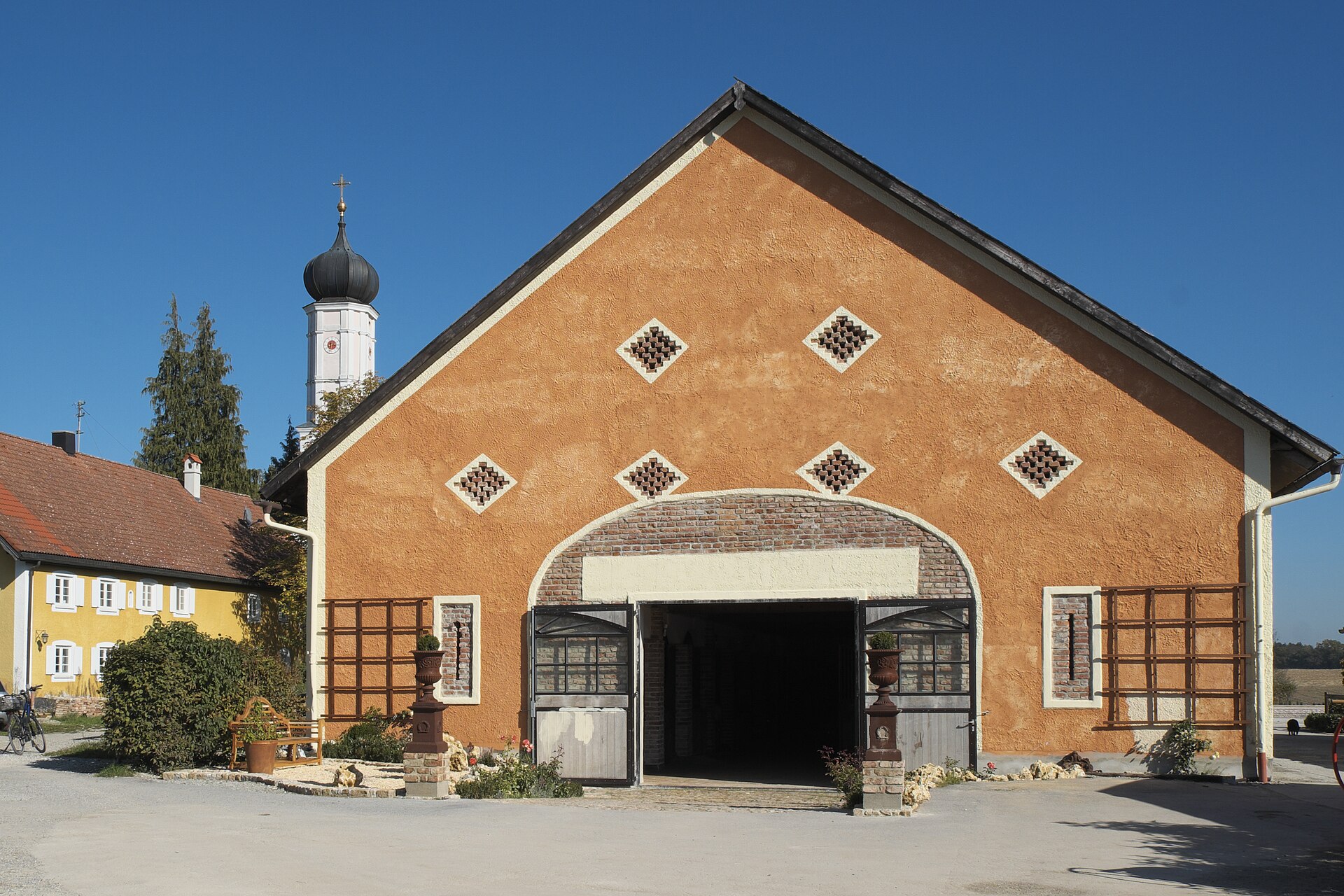
The monthly cost of a stable largely depends on the services included. A Swiss study, featured in a specialist magazine's 11/2015 report, found prices ranging from 200 to 1600 Swiss Francs per month. These figures are from 2015 and do not represent current prices. Therefore, when you're searching, a precise comparison of services is key: What type of stable will you get, what facilities are included, and which services come at an additional cost?
What Price Quotes Really Tell You
In its 11/2015 special report, the specialist magazine Kavallo presented a HAFL study involving 155 livery yards. The findings are specific to Switzerland.
The wide price range of 200 to 1600 Francs was attributed to varying levels of service. So, if you're only looking for the lowest price, you won't necessarily know what you're getting for your money. That's why it's crucial to compare not just the monthly fees, but also the services that are included.
Check Stable Type and Facilities
According to Kavallo, the study found that the type of stable (with or without turnout access) and the available facilities were the primary factors influencing livery prices. These facilities included indoor arenas, outdoor riding schools, and horse walkers. Make sure to include these features in your comparison.
The study noted a significant price difference of approximately 80 Francs between internal and external stables.
Yards with an indoor arena showed prices that were, on average, 217 Francs higher in the study. Remember, this is a 2015 finding, not a fixed surcharge for a yard with an indoor school. Always ask specifically what facilities are included in the quoted livery price for each offer.
Regional Differences
The study identified significantly higher livery prices in the Canton of Zurich. For the same services, prices there were, on average, about 100 Francs more. According to the report, prices in urban areas were approximately 43 Francs higher than those in rural regions.
Distinguish Between Basic Livery and Extra Services
The report lists feeding, mucking out, bedding, and turnout as basic services for a livery yard. At the same time, it points out that additional facilities and services are not always included in the livery price. Therefore, the name of a livery package doesn't replace a detailed list of its services.
Among the yards surveyed, extra charges were most frequently applied for trailer parking and the use of a washing machine. According to Kavallo, leading horses to turnout, rug changes, and putting on boots or bell boots can also be charged separately. The report describes these tasks as time-consuming and notes that newcomers often underestimate them.
Therefore, ask for a clear breakdown of these points:
- What is included in feeding, mucking out, bedding, and turnout?
- What type of stable is offered, and does it include turnout access?
- Which facilities are included in the livery price?
- Are trailer parking or washing machine use charged additionally?
- What are the costs for leading to turnout, rug changes, and putting on boots or bell boots, should you wish to use these services?
Compare Offers Using the Same Criteria
The report calls for transparent pricing: clients should be able to clearly see which service is available at what price. Use this standard when choosing your stable. For each offer, clearly separate the basic price, the included services, and any separately charged items.
To assess price and service, the report recommends comparing direct competitors with similar offerings. If one yard only quotes a stable price and another provides a price including care and facilities, you're not comparing like for like. Therefore, for each offer, add up the extras you actually intend to use.
Common questions
What does a stable cost per month?
The Swiss study described in the Kavallo 11/2015 report found prices ranging from 200 to 1600 Swiss Francs per month, depending on the services included. This range is from 2015 and is not a current price overview.
Which services should I check in the offer?
The Kavallo report names feeding, mucking out, bedding, and turnout as basic services. Additionally, check the stable type and the included facilities. According to the report, additional facilities and services are not always included in the livery price.
What additional costs might arise?
According to Kavallo, trailer parking and washing machine use were most frequently charged extra at the Swiss yards surveyed. Leading horses to turnout, rug changes, and putting on boots or bell boots can also incur additional costs.
How do I compare two livery yards?
The Kavallo report recommends comparing direct competitors with similar services. To do this, match each price with its included services and identify any separately charged extras.
Sources
- Fachzeitschrift Kavallo: Dossier 11/2015 zur HAFL-Untersuchung über Pensionspreise und regionale Unterschiede in der Schweiz; keine aktuelle (11/2015)
- Titelfoto: GFreihalter, Wikimedia Commons
- Lizenz des Fotos: CC BY-SA 3.0

Written by Equidara editorial team. Last checked: 24 October 2026.
Fachlich geprüft von Melissa Hinze, Pferdezüchterin und Pferdehändlerin, Gründerin von Equidara.
- Monthly Horse Costs: Board, Feed, Farrier, and Other Expenses — Boarding fees, feed, and hoof care can be estimated within certain cost ranges. On top of that, you'll need to factor in vet bills, insurance, and potential extra services. Here's how to differentiate between monthly costs and per-appointment expenses.
- Buying Your First Horse: Checklist and Questions for the Seller — Proper preparation and asking the right questions will help you find the perfect first horse. Use this practical checklist for the viewing, trial ride, and vet check.
- Trial Riding a Horse: What to Ask and How to Prepare for a Second Visit — Clarify your intended use, observe the horse's behavior during saddling and mounting, and discuss any open questions before a second trial ride. Expert guidance and a pre-purchase examination are crucial.
- The Horse Pre-Purchase Exam: Explaining the Basic and Extensive PPE — The basic Pre-Purchase Exam (PPE) covers the clinical examination, while the extensive PPE includes X-rays. Learn what's examined and how to clarify the scope, commission, and cost coverage in advance.
Related
- Buy horses — Horses for sale from all over the world, with transport search.
- Purchase contract template — Template for horse and saddle to fill out.
- List your horse internationally — Post your horse distributes the listing to many portals.