
Animal welfare
Life After the Finish Line: Retraining, Rehoming, and Sanctuary Projects for Ex-Racehorses
Thoroughbreds often retire from racing at a young age, requiring expert retraining before they can transition into new careers as riding horses. We take a closer look at the dedicated retraining programs, rehoming efforts, and sanctuary projects that give these incredible athletes a second chance at life.
Equidara editorial team · 27 September 2026 · 4 min read
Leaving the Racetrack Behind
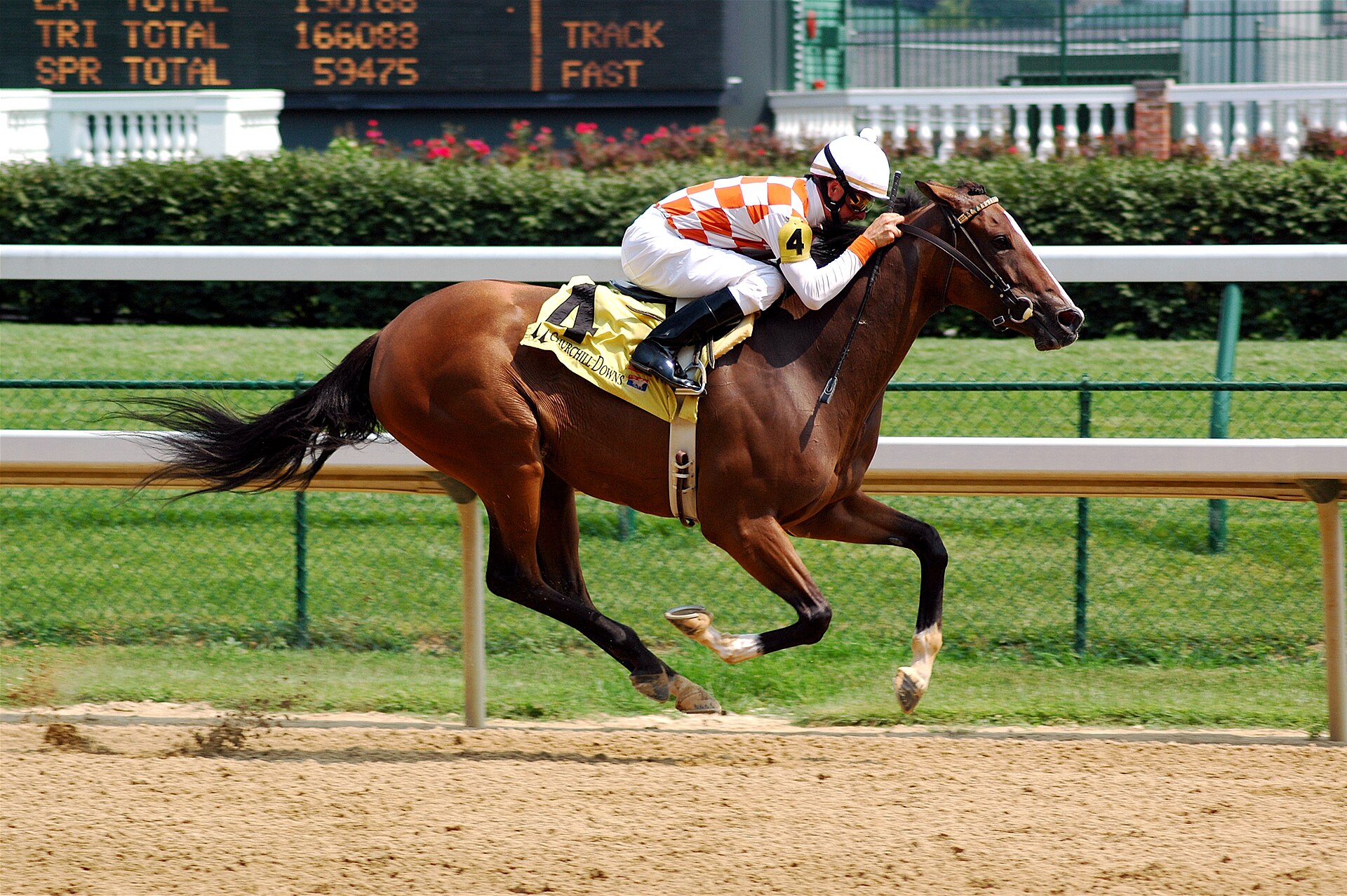
A Thoroughbred's racing career typically spans just a few years. According to the Direktorium für Vollblutzucht und Rennen in Köln, approximately 1,900 horses are currently in race training in Germany. They usually start as two- or three-year-olds, competing in an average of four to five races annually, and often retire from the sport between the ages of three and seven. While successful stallions and mares may transition to breeding, the majority are sold to amateur or competitive riders. To ensure these horses thrive in their second careers, expert retraining, careful rehoming, and sometimes specialized sanctuary projects are essential.
What Makes Former Racehorses So Valuable
Thoroughbreds are renowned for qualities that make them highly sought-after partners beyond the racetrack: speed, stamina, intelligence, reliability, and robust health. They are frequently used as 'refiners' in warmblood breeding programs. As riding horses, you'll find them excelling in all disciplines – from dressage and show jumping to eventing – and also as dependable pleasure horses. This versatility is precisely why expert retraining is such a worthwhile endeavor.
Retraining: From Racehorse to Riding Horse
Even in the racing stable, these horses are accustomed to saddles, bridles, trailers, and changing environments. What they lack is the specific training to become a relaxed riding horse. Instead of explosive acceleration, the focus now shifts to rhythm, suppleness, and refined aids.
The association Liberty’s Home in Nordrhein-Westfalen has specialized in this very task. According to chairwoman Claudia Dahlhaus, they professionally retrain former racehorses – currently, they state, the only association of its kind in Germany. The process typically takes several months. Horses are only sold once they have a solid grasp of the fundamentals of their new role.
Another approach comes from the umbrella organization Deutscher Galopp. Their pilot project, “GERMAN RACING Next Chance,” is building a platform to connect trainers, owners, buyers, and retraining providers, fostering exchange and collaboration. Using the specific example of the racehorse Angreifer, they are trialing what structured training can look like: it follows classical riding principles and can be adapted to the horse's individual learning progress.
It's important to note that many racehorses arrive for retraining with pre-existing health issues. The association Ahimsa Lebensplatz für Pferde aus dem Rennsport e.V. conducts a comprehensive examination upon arrival – from blood work and X-rays to gastroscopy, as stomach ulcers are prevalent among ex-racehorses. Therefore, it often takes up to eighteen months for the horses to become medically stable before they are gradually introduced to ridden work. Such extensive rehabilitation cannot be replaced by retraining projects alone.
Rehoming: Prioritizing the Right Home Over Price, and Protection Contracts
A central principle of reputable rehoming is that the horse should not become a 'revolving door' animal. Therefore, institutions like Liberty’s Home thoroughly vet potential buyers and turn away unsuitable candidates. Prices at Liberty’s Home range from 4,000 to 7,000 Euros – a moderate price compared to other riding horse breeds.
The “After-Race-Care” code of conduct, published by organizations such as Rennstall Elsur Racing, sets binding standards: horses should receive time and patient training, be retrained by experienced individuals, and only be rehomed if the rider's skill level matches the horse's training status. The principle of “place before price” is explicitly emphasized.
Furthermore, the Special Fund for Former Racehorses of Deutscher Galopp has developed a protection contract that includes sustainable conditions. Rehoming occurs with mandatory disclosures and a buy-back option in case difficulties arise in the new home. This ensures ongoing support even after the sale.
Sanctuary Projects for Horses Without Riding Prospects
Not every racehorse can or should be rehomed as a riding horse. Some are too old, suffer from chronic illnesses, or simply don't find a suitable rider. This is where specialized sanctuary projects step in.
Ahimsa Lebensplatz e.V. provides a “forever home” for all horses they take in. The animals live in open stables with companions, receive veterinary treatment, physiotherapy, and hoof care, and are not sold even if they regain their health. The Special Fund of Deutscher Galopp also explicitly supports the care of difficult or older horses and finances their upkeep during the transition phase.
Nevertheless, the availability of such support in Germany is still limited. While professional aftercare is common abroad, a significant portion of horses here are directly rehomed from racetracks to private buyers who are often overwhelmed by the specific needs of a Thoroughbred. This is where the work of associations and initiatives becomes crucial, aiming to make the 'second market' for ex-racehorses more transparent and secure.
Common questions
How long does it take to retrain a former racehorse?
That depends on the horse's training level and health condition. A healthy horse can learn the basics as a riding horse within a few months, as shown by the example of Liberty’s Home. However, if there are injuries, stomach ulcers, or hoof problems, rehabilitation can extend over eighteen months (Ahimsa Lebensplatz).
What does a retrained Thoroughbred cost?
At Liberty’s Home, horses are sold for 4,000 to 7,000 Euros. Other rehoming projects may have different prices. However, the principle of “place before price” remains crucial: the new owner must be a good match for the horse.
Who is eligible to buy a former racehorse?
Reputable organizations only rehome horses to riders whose expertise and experience match the horse's training level. A protection contract (e.g., from the Special Fund of Deutscher Galopp) also secures binding conditions and a buy-back option. Novice riders are generally not suitable.
What happens to racehorses that can no longer be ridden?
There are specialized sanctuary projects like Ahimsa Lebensplatz e.V. that offer lifelong homes and do not sell the horses. The Special Fund of Deutscher Galopp also supports the care of older or difficult horses. Despite this, the safety net in Germany is still incomplete.
Sources
- Karriere nach der Karriere - Deutscher Galopp
- Pilotprojekt GERMAN RACING Next Chance | Junger Galopp e. V.
- Tiere - Verein schult Renn- zu Reitpferden um - Wissen - SZ.de (01.08.2022)
- Deutscher Galopp – Sonderfonds für ehemalige Rennpferde – Rennpferde Boomerang
- Verhaltenskodex - „After-Race-Care“
- Titelfoto: Flickr user Jeff Kubina, Wikimedia Commons
- Lizenz des Fotos: CC BY-SA 2.0

Written by Equidara editorial team. Last checked: 4 October 2026.
- Equine Passport: Who Issues It for Sport Horses, Breeding Stock, and Leisure Horses — Every horse kept in the EU requires registration and an equine passport. The issuing authority depends on whether your horse is registered as a breeding animal or a sport horse. This also includes transponders and entry into the database.
- EU Animal Transport Regulation: Travel Times and Controls for Slaughter Horses — In Germany, strict transport regulations apply to slaughter horses. Find out what travel times are permitted, which authorities conduct checks, and what documents you need to carry with you.
- Circus Lessons with Your Horse: Common Mistakes in the Bow and Spanish Walk — What to pay attention to when teaching the Bow and Spanish Walk, why warming up is essential, and how to handle breaks and unsolicited tricks.
Related
- Wanted — Who is currently looking for something — from horse to stall.
- Find animal transport — Move your animal arranges transports in Europe.
- Buy and pay safely — How to recognize fraud schemes.