
Animal welfare
Horse Overexertion: Recognizing Warning Signs and Planning for Recovery
Tripping, delayed reactions, and persistent performance drops warrant attention. Here's how to assess fatigue, plan for recovery, and know when to call the vet.
Equidara editorial team · 30 October 2026 · 4 min read
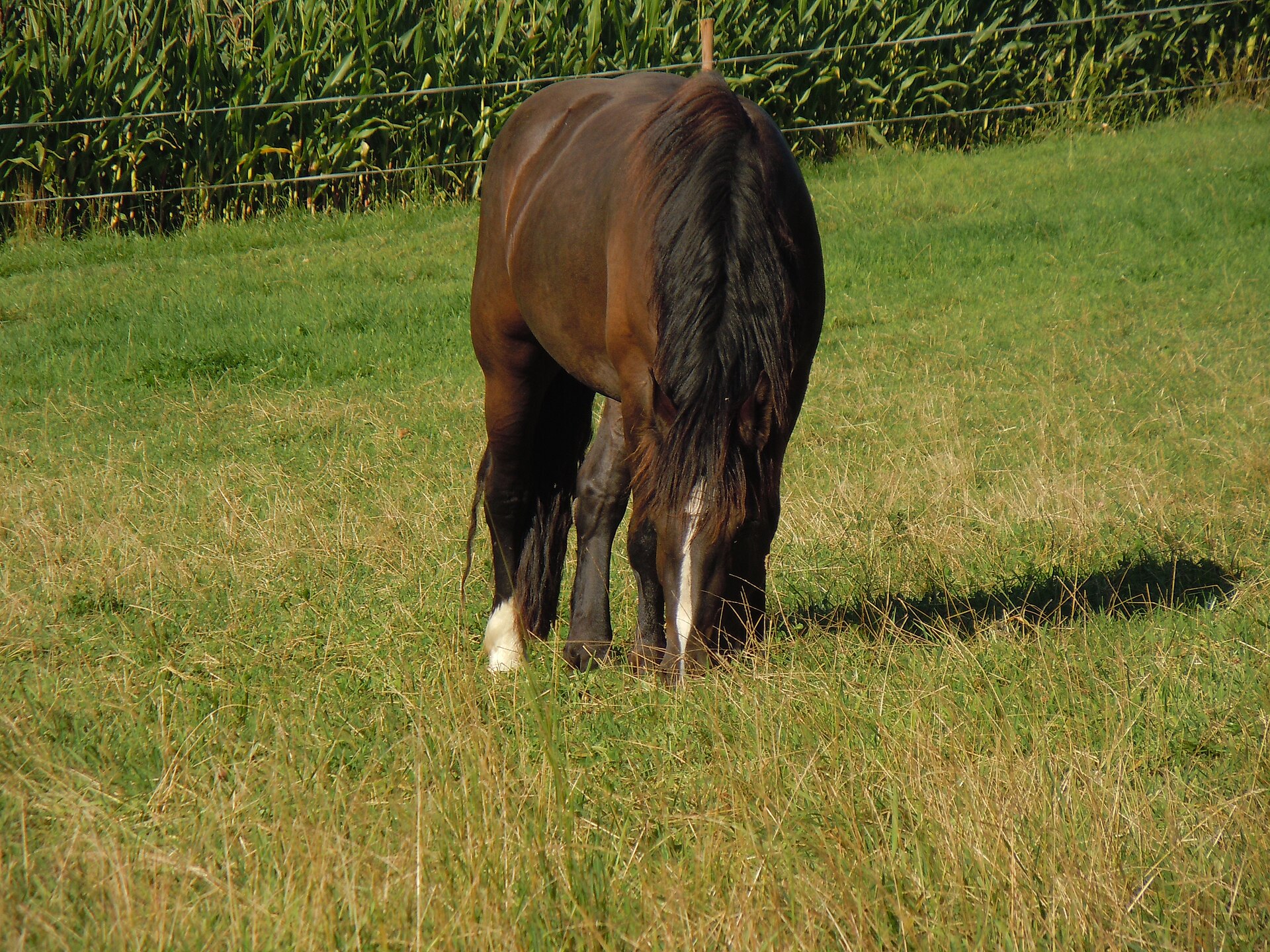
If your horse increasingly stumbles, reacts slowly, or moves uncoordinatedly, stop the activity. Have any persistent drop in performance checked by a veterinarian. Don't wait for your horse to stop on its own. The amount of recovery needed depends on whether it's normal fatigue, temporary overexertion, or an underlying illness.
Fatigue: The Body's Protective Mechanism
According to the Merck Veterinary Manual, fatigue after prolonged or high-intensity exercise is a normal protective mechanism. Outside North America, this veterinary reference is known as the MSD Veterinary Manual. If fatigue doesn't set in, or is delayed, muscle cells and supporting tissues can suffer structural damage.
Most sources in this article focus on sport and competition horses. While the principles apply to other horses, specific timelines may not be directly transferable. Your horse doesn't need to work to its maximum capacity to experience fatigue: according to the manual, fatigue can occur even with less strenuous effort. When it sets in depends on factors such as ambient temperature, hydration, electrolyte levels, external motivation, and willingness to work.
What Changes Indicate Excessive Workload
Pay close attention to changes in movement and reactions. An older classification is a table by Hanack from 1974. It is presented here as reproduced on the club website „Überlastung beim Reiten“ and categorizes the following signs:
- Reluctant, stumbling movement and delayed reactions are considered signs of severe fatigue.
- Uncoordinated, staggering movement, as well as poor or absent reactions, are considered signs of exhaustion.
Understand this table as a historical guide, not a diagnosis. It does not replace a veterinary examination.
A more recent study on fatigue in sport horses, published in PLOS ONE, describes similar changes: If training continues past certain degrees of fatigue, coordination, muscle strength, and reaction time can decrease. Continued exertion with excessive or persistent fatigue can lead to overtraining and injuries.
According to this study, voluntarily stopping is not a reliable measure. Some horses stop before they become fatigued, while others push far beyond their limits. Therefore, your horse continuing to move is not a sign of being in the clear.
When to Rest and When to Call the Vet
If your horse shows clear coordination problems or barely reacts, do not complete the planned session. Have any noticeable or persistent issues assessed by a veterinarian.
Fatigue during exercise isn't necessarily solely due to the training volume. According to the Merck Veterinary Manual, underlying conditions affecting oxygen uptake, energy metabolism, or nerve-muscle interaction can also be a cause.
Urgent veterinary assistance is required for pronounced signs of exhaustion. The Merck Veterinary Manual for Horse Owners, in the context of eventing and endurance rides, lists significant sweat loss, apathy, fatigue, dehydration, elevated heart and respiratory rates, and high body temperature as signs requiring urgent treatment.
How Much Recovery Does Your Horse Need?
A fixed rest period doesn't suit every form of fatigue. The sources differentiate between recovery after a single exertion and longer-lasting states of overexertion.
After Intense or Prolonged Exertion
Intense or prolonged work depletes muscle glycogen stores. The Merck Veterinary Manual for Horse Owners recommends allowing at least 48 hours for these energy stores to normalize. This timeframe refers only to glycogen levels; it is not a general green light for the next intense session.
For Persistent Performance Decline
The chapter on Overtraining Syndrome in the Merck Veterinary Manual describes a milder form of overexertion, also accompanied by fatigue and performance decline. When the workload is reduced, performance typically recovers within a few days to two weeks.
The manual distinguishes this from Overtraining Syndrome: chronic fatigue with performance decline in horses undergoing high-intensity training. By definition, its clinical signs persist despite more than two weeks of rest or reduced activity. This does not mean you should wait two weeks for an examination. According to the owner information, horses often need many weeks off from training and competition after an overtraining state.
Incorporating Recovery into Your Training Plan
When you see signs of overexertion, don't just review the last session, but also how the training load has changed. The PLOS ONE study refers to research indicating that an unusual increase in workload is associated with a higher risk of injury because the body has not yet adapted to previous loads.
Therefore, plan recovery as part of your training. For horses that show persistent clinical signs of stress during high-intensity training, the Merck Veterinary Manual explicitly recommends rest and a modified training strategy.
Also, consider hydration and heat. According to the manual's owner information, horses should be adequately hydrated before intense or prolonged exertion and have access to water during and after events. Dehydrated or unacclimatized horses fatigue earlier and reach higher body temperatures.
What Requires Veterinary Assessment
A tired horse doesn't automatically have overtraining syndrome. According to the review „Overtraining syndrome in horses“ in Comparative Exercise Physiology, this suspicion is only considered if a persistent performance decline is present along with at least one physical or behavioral sign, and other causes have been ruled out.
No single physical measurement confirms the syndrome. Possible accompanying signs include weight loss and elevated heart rates during exercise. Behavioral changes proved to be early indicators in the evaluated long-term studies. Discuss such changes, along with training load and previous recovery, with your veterinarian.
Common questions
Is fatigue after riding always a sign of overexertion?
No. Fatigue after prolonged or high-intensity exercise is a normal protective mechanism. However, excessive or persistent fatigue and continued training can lead to overtraining and injuries.
Can I continue riding as long as my horse willingly participates?
Willingness to continue moving is not a reliable measure of fatigue. Some horses push far beyond their limits. Therefore, pay attention to coordination and responsiveness.
Is 48 hours of rest enough after strenuous training?
The Merck Veterinary Manual recommends at least 48 hours after intense or prolonged exertion for muscle glycogen levels to normalize. This does not imply a general green light for further intense training.
When should I involve a veterinarian?
Have any persistent performance decline and noticeable fatigue assessed by a veterinarian, as underlying illnesses can also be a cause. Pronounced signs of exhaustion with high body temperature and elevated heart and respiratory rates require urgent veterinary assistance.
Sources
- Overview of Fatigue and Exercise in Horses - Metabolic Disorders - Merck Veterinary Manual (07/2026)
- PLOS ONE: „Detecting fatigue of sport horses with biomechanical gait features using inertial sensors“ – Studie zu ermüdungsbedingten Bewegun (14.04.2023)
- Überlastung beim Reiten
- Comparative Exercise Physiology: „Overtraining syndrome in horses“ – Übersichtsarbeit zu Trainingsbelastung, Erholung, Verhaltensänderungen (01.05.2008)
- Overtraining Syndrome in Horses - Metabolic Disorders - MSD Veterinary Manual (07/2026)
- Fatigue and Exercise in Horses - Horse Owners - Merck Veterinary Manual (09/2024)
- Titelfoto: Sebastian Martin Dicke, Wikimedia Commons
- Lizenz des Fotos: CC BY-SA 4.0

Written by Equidara editorial team. Last checked: 30 October 2026.
- Carriage Horses in Berlin: Regulations on Operating Hours, Heat, and Inspections — Berlin's guidelines limit operating hours, regulate breaks, and require carriage rides to stop at 30 degrees Celsius in the shade. Additionally, there are specifications for equipment, documentation, and inspections.
- Illegal Horse Trading: How to Verify Provenance and Documents — Official and media reports describe cases where equine passports and lab reports are alleged to have been manipulated. Here's what you can check regarding identity, provenance, and health records, and what a suspicion does not yet prove.
- Wild Horses in Europe: Populations, Conservation Status, and Management — Not every free-roaming horse herd automatically holds legal wild status. Discover how populations differ and how the Dülmen Wild Horses are preserved and managed.
- Horse Sanctuaries: Checking Forever Homes, Funding, and Care — A permanent home requires clear agreements. Here's how to check what a farm promises, what you should clarify regarding payment, and which care regulations apply to an organic farm in Germany.
Related
- Wanted — Who is currently looking for something — from horse to stall.
- Find animal transport — Move your animal arranges transports in Europe.
- Buy and pay safely — How to recognize fraud schemes.