
Transport
Horse Transport Spain–Germany: Duration, Breaks, Documents, Costs
What you need to know about transporting your horse from Spain to Germany – from TRACES and equine passport to breaks and prices.
Equidara editorial team · 27 September 2026 · 2 min read
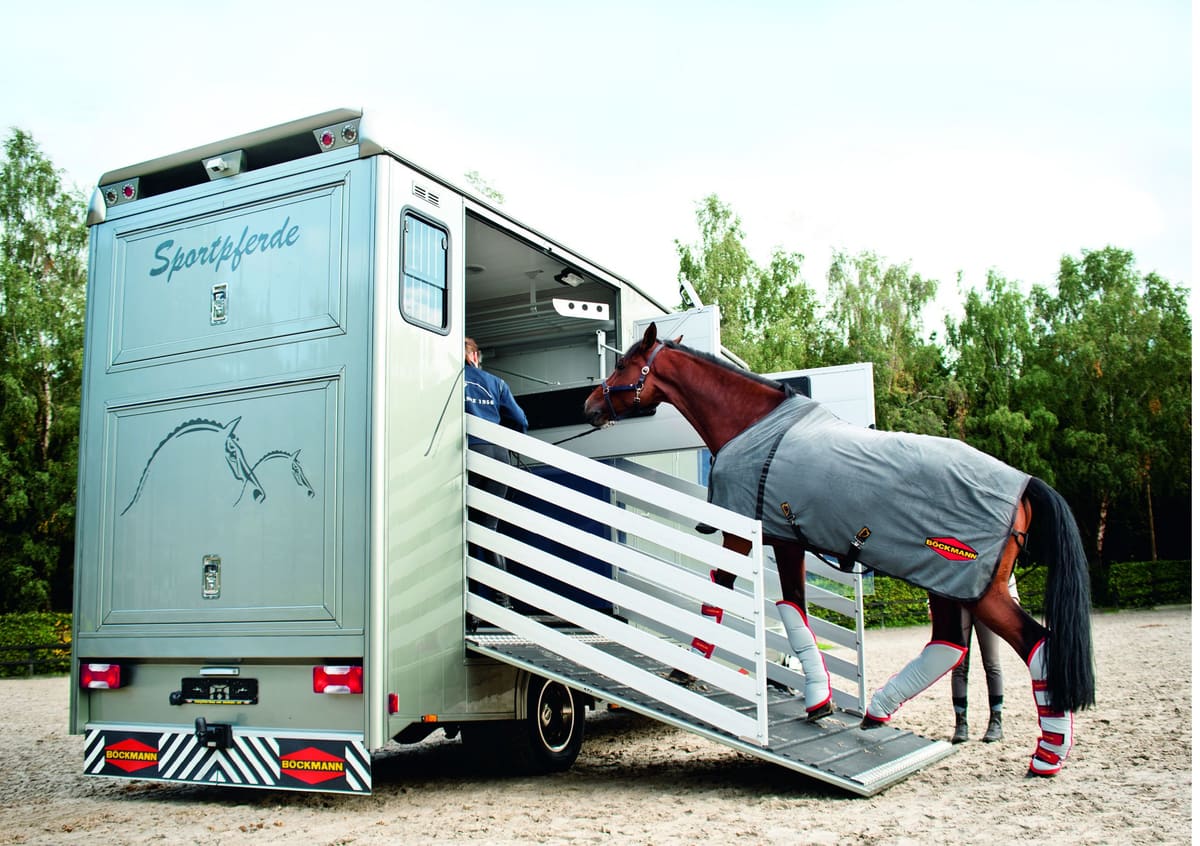
Bringing a horse from Spain to Germany is almost always a long journey under the EU Animal Transport Regulation. You need an official veterinary certificate in TRACES NT, a complete equine passport, and early notification to the veterinary office. Breaks and care must be included in the transport plan; there are no flat-rate costs.
Duration and Classification as a Long Transport
Legally, a transport is considered long if it lasts more than eight hours. The route from Spain to Germany exceeds this limit in almost all cases. Stricter requirements apply for long journeys: The transport company needs a Type 2 approval under Article 11 of Regulation (EC) No. 1/2005, the vehicle must be approved for long transports, and the driver must have a certificate of competence.
For cross-border movements within the EU, you must notify the responsible veterinary office at least two working days before departure. The start of loading must be stated, not the departure time. If you drive yourself, the following applies: From a distance of 65 kilometers, you as the driver need a certificate of competence.
Breaks and Care
The EU regulation does not prescribe a fixed break duration for all horse transports. What matters is animal welfare. For long transports, rest periods, feeding and watering intervals must be planned and documented in advance. The vehicle must be equipped with a satellite navigation system that records transport routes, rest and care intervals, as well as the opening of the loading ramp.
Regulation (EC) No. 1/2005 allows extending the journey time by up to two hours in the interest of the animals, for example if the destination is nearby. This option is not a license for a longer overall trip. Ask the transport company to show you the specific break schedule. If in doubt, choose more generous breaks and consult your veterinarian.
Documents: TRACES, Health Certificate, Equine Passport
For moving a horse from Spain to Germany, you need an official veterinary certificate. Within the EU, it is usually issued as an electronic document in TRACES NT. The veterinary office checks identity, documents, and the clinical condition of the horse before issuance.
The equine passport must be fully completed: identification, purpose (slaughter/not for slaughter), current owner, and the medication appendix must be up to date.
For commercial transports over eight hours, copies of the company's Type 2 approval, vehicle registration, and driver's certificate of competence must be carried. For transports starting in Germany, information from the form 'Mandatory information for the transport of a registered horse' must be added, such as the transport route, rest stops, and expected weather.
Costs
Flat-rate costs cannot be derived from official sources. They depend on distance, number of horses, stops, documents, and veterinary examinations. In addition to the actual transport, also budget for the issuance of the TRACES certificate, any laboratory tests, and registration. Get multiple quotes from approved transport companies. For price comparisons, you can submit requests on Move Your Animal.
Common questions
Do I need TRACES for a horse transport from Spain to Germany?
Yes. Within the EU, an official veterinary certificate is required, which is usually issued via TRACES NT. Additionally, the equine passport must be fully completed. Notify the veterinary office at least two working days in advance.
How long can my horse be on the road?
A transport from Spain to Germany is almost always a long journey of more than eight hours. The maximum permitted times are derived from Annex I Chapter V of Regulation (EC) No. 1/2005. Discuss the specific route and total duration with an approved transport company; a transport plan must be provided.
What breaks are prescribed for horses?
There is no fixed break duration for all transports. Rest, feeding, and watering intervals must be included in the transport plan and traceable via the navigation system. When in doubt, longer breaks are better for animal welfare.
What does a horse transport from Spain to Germany cost?
This cannot be answered in general terms. Costs depend on distance, stops, documents, veterinary checks, and vehicle. Compare offers from approved transporters and allow sufficient lead time.
Sources
- Handbuch Tiertransporte (2025-12)
- Tiertransport ins Ausland; Anmeldung - Dienstleistungsportal Bayern (2025)
- Transportanmeldung Pferde (2024-04)
- Pflichtangaben für den Transport eines registrierten Pferdes (2024-04)
- Verordnung zum Schutz von Tieren beim Transport und zur Durchführung der Verordnung (EG) Nr. 1/2005 des Rates1)2) (Tierschutztransportverordnung - TierSchTrV)
- VERORDNUNGEN
- Titelfoto: Boeckmann_horseexperts, Wikimedia Commons
- Lizenz des Fotos: CC BY-SA 3.0

Written by Equidara editorial team. Last checked: 24 November 2026.
- Cross-Border Horse Transport: Paperwork, Haulers, and Liability in Case of Damage — Transporting a horse across an internal EU border requires an equine passport, an animal health certificate, and a TRACES entry. Equally important is your choice of hauler, as legal liability only covers a fraction of a valuable horse's worth.
- Horse Transport within the EU: Documents, TRACES, and Registration — What documents you need for horse transport within the EU, when the official veterinary examination takes place, and the registration deadlines and fees cited by individual veterinary offices in Germany.
- Illegal Horse Trading: How to Verify Provenance and Documents — Official and media reports describe cases where equine passports and lab reports are alleged to have been manipulated. Here's what you can check regarding identity, provenance, and health records, and what a suspicion does not yet prove.
- Buying a Horse Abroad: Essential Questions to Ask Before Your Deposit — Within the EU, the paperwork is straightforward: an equine passport, health certificate, and TRACES. But the questions you ask *before* that are far more critical. Clarifying who is selling you the horse, which legal jurisdiction applies, who arranges the pre-purchase exam, and the payment schedule will determine your legal standing should a dispute arise.
Related
- Request horse transport — Route, horse, date: carriers send you a quote.
- Find animal transport — Move your animal arranges transports in Europe.
- Trailers and transporters — Horse trailers, trucks, carriages and accessories.