
breeds
Buying a Shetland Pony: Breed, Studbook, and Suitability for Children
The Shetland pony is designated as a small riding and driving pony in the German breeding objective. Here, you'll learn about the breed characteristics and what the entries in the Swiss studbook mean.
Equidara editorial team · 13 October 2026 · 4 min read
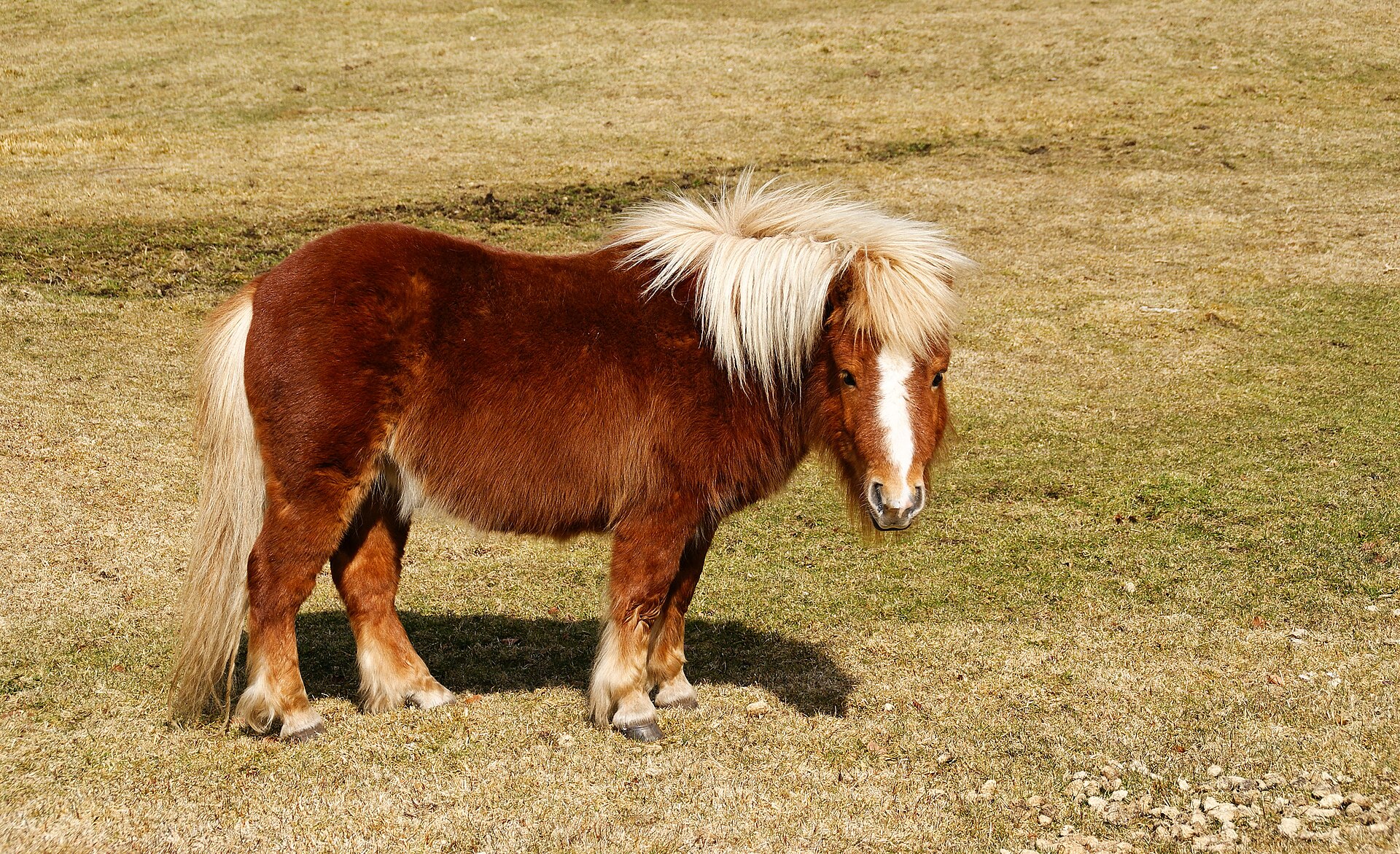
If you're looking to buy a Shetland pony, understanding its breed type, lineage, and intended use will help you make an informed decision. The German breeding objective defines the Shetland pony as a small riding and driving pony, particularly suitable as a first pony for children. Also, be aware of the distinction between the original Shetland pony and the German Part-Bred Shetland Pony. The specific information included in a studbook is determined by the respective breeding organization. Here, we'll use the Swiss Shetland Pony Association as an example.
Origin and Typical Characteristics
The breed's original home is the Shetland Islands, located approximately 170 kilometers north of the Scottish mainland, giving this smallest British pony breed its name. According to the German Equestrian Federation (FN), the “Shetland Pony Studbook Society” was founded in 1890 to safeguard and preserve the purebred lineage.
The FN specifies a height of up to 107 centimeters, with an average of 101 centimeters. They describe Shetland ponies as herd animals accustomed to year-round outdoor living. Hardiness and frugality are considered characteristic of the breed.
Their coat features dense undercoat and long guard hairs. According to the FN's description, these allow for thermoregulation, enabling the ponies to winter outdoors even in ice and snow.
The German Breeding Objective: Size, Conformation, and Colors
For the German breeding objective, age-dependent height limits apply. A three-year-old Shetland pony must not exceed 105 centimeters. For four-year-olds and older, the limit is 107 centimeters. Therefore, when comparing height specifications in an advertisement with the breeding objective, the pony's age is a crucial factor.
The German breeding objective also outlines the desired conformation and movement:
- A strong, correct foundation, meaning a solid, weight-bearing musculoskeletal system.
- Short, strong cannon bones.
- Hard, round hooves.
- Correct, ground-covering, elastic, and light-footed movements.
Regarding colors, all colors except leopard spotting are permitted in the German breeding objective. If you're offered a leopard-spotted pony as a Shetland, it's worth taking a closer look at the breed and studbook designation.
Distinction from the German Part-Bred Shetland Pony
The FN distinguishes a variant based on American lines from the original type, primarily prevalent in Lower Saxony. Additionally, there are special color breeds, such as leopard spots, which do not conform to the guidelines of the country of origin. These ponies are referred to as “Deutsches Part-Bred Shetland Pony”.
For your comparison of offerings, this means: pay attention to the full breed designation, not just the word “Shetland”.
Suitability as a Children's Pony
In the German breeding objective, the Shetland pony is specifically intended as a first pony for children. At the same time, it is described as a driving pony, so its use is not limited to riding.
The FN lists desired characteristics such as intelligence, frugality, longevity, fertility, robustness, and a good-natured temperament.
A breeding objective describes the traits aimed for in breeding. It doesn't tell you anything about a specific animal for sale. Therefore, when reading an advertisement, separate the general breed characteristics from the details about the pony you intend to buy.
Studbook and Lineage: The Swiss Example
The Swiss Shetland Pony Association (SSPV) has maintained its own studbook since its founding in 1996. It is recognized by the Swiss Federal Office for Agriculture and internationally by the mother studbook. The following information applies to this Swiss association.
Every Shetland pony belonging to SSPV members is registered there with master data and pedigree. The recorded information includes, among other things:
- Identification numbers, date of birth, and height at the withers.
- The signalement, i.e., the description of external distinguishing features.
- Sales or import details, as well as breeder and owner addresses.
- Show results and the pedigree over three generations.
A studbook entry thus contains more than just the pony's name and its parents. When comparing documents, you can check the information separately: identity, external characteristics, lineage, and breeding information.
Existing Passport, Special Register, and DNA Testing
If a Shetland pony is already registered with another recognized breeding organization, it retains its existing passport, according to the SSPV. The association no longer issues an additional passport or proof of lineage for this.
Ponys without proof of lineage or without fulfilling the requirements for studbook registration can be entered into a special register with the SSPV. This allows for registration and the issuance of an equine passport. An entry in the special register is therefore not the same as a regular studbook registration.
A DNA parentage test compares DNA profiles. It verifies whether the stated parents are genetically possible parents of the animal.
Leopard Spotting at the SSPV
Unlike the German breeding objective, which excludes leopard spotting, the SSPV maintains the leopard-spotted pony of Shetland type as an independent population. These animals are designated and registered there according to their type and characteristics.
Common questions
What is the maximum height for a Shetland pony according to the German breeding objective?
Three-year-old Shetland ponies must not exceed 105 centimeters. For four-year-olds and older, the upper limit is 107 centimeters.
Is the Shetland pony suitable for children?
The FN describes it in the German breeding objective as a particularly suitable first pony for children. Among the desired characteristics, it mentions a good-natured temperament. The breeding objective describes the breed, not an individual pony.
Are leopard spots permitted in the German Shetland pony breeding objective?
No. In the German breeding objective, all colors except leopard spotting are permitted. The FN classifies special color breeds like leopard spots as Deutsches Part-Bred Shetland Pony.
Can a pony without proof of lineage be registered with the SSPV?
Yes. The Swiss Shetland Pony Association has a special register for this purpose. It allows for registration and the issuance of an equine passport, even if the requirements for studbook registration are not met.
Sources
- Deutsche Reiterliche Vereinigung (FN): Rasseporträt, Zuchtziel und Eignung als Kinderpony – pferdesport-deutschland.de
- Schweizerischer Shetlandponyverband: staatlich anerkanntes Zuchtbuch und Anerkennung durch das Mutterstutbuch – sspv.ch
- Titelfoto: Herbythyme, Wikimedia Commons
- Lizenz des Fotos: CC BY-SA 4.0

Written by Equidara editorial team. Last checked: 13 October 2026.
- Buying a German Warmblood: Hanoverians, Rhinelanders, and Breeding Documents — Hanoverians and Rhinelanders are described as sport horses and versatile all-rounders. Discover which contacts and breeding documents the Hanoverian Verband offers.
- Buying a Haflinger: Studbook, Character, and Uses — The Haflinger is bred for versatile use in riding and driving. Here, you'll learn what the breeding principles stipulate regarding lineage, temperament, size, and areas of use.
- Icelandic Horse: Gaits, Character, and FEIF Breeding Goal — The Icelandic horse is a versatile riding horse with four or five gaits. Discover what distinguishes Tölt from Flying Pace and learn about the characteristics described in the FEIF breeding goal.
- Buying a Quarter Horse: Breed, AQHA, and Essential Documents — The American Quarter Horse is bred for pleasure riding, competition, and racing. Here, you'll learn what makes this breed special and which documents are crucial for purchase and breeding.
Related
- Buy horses — Horses for sale from all over Europe, with transport search.
- HorseFinder — Browse horses for sale by swiping, on your phone.
- Wanted — Who is currently looking for something — from horse to stall.