
breeds
Buying a Lusitano: PSL or Cruzado, Studbook & Prices
Puro Sangue Lusitano, Lusitano, Cruzado – these terms often cause confusion. Learn what they mean, which papers are important, and what prices to expect.
Equidara editorial team · 6 October 2026 · 3 min read
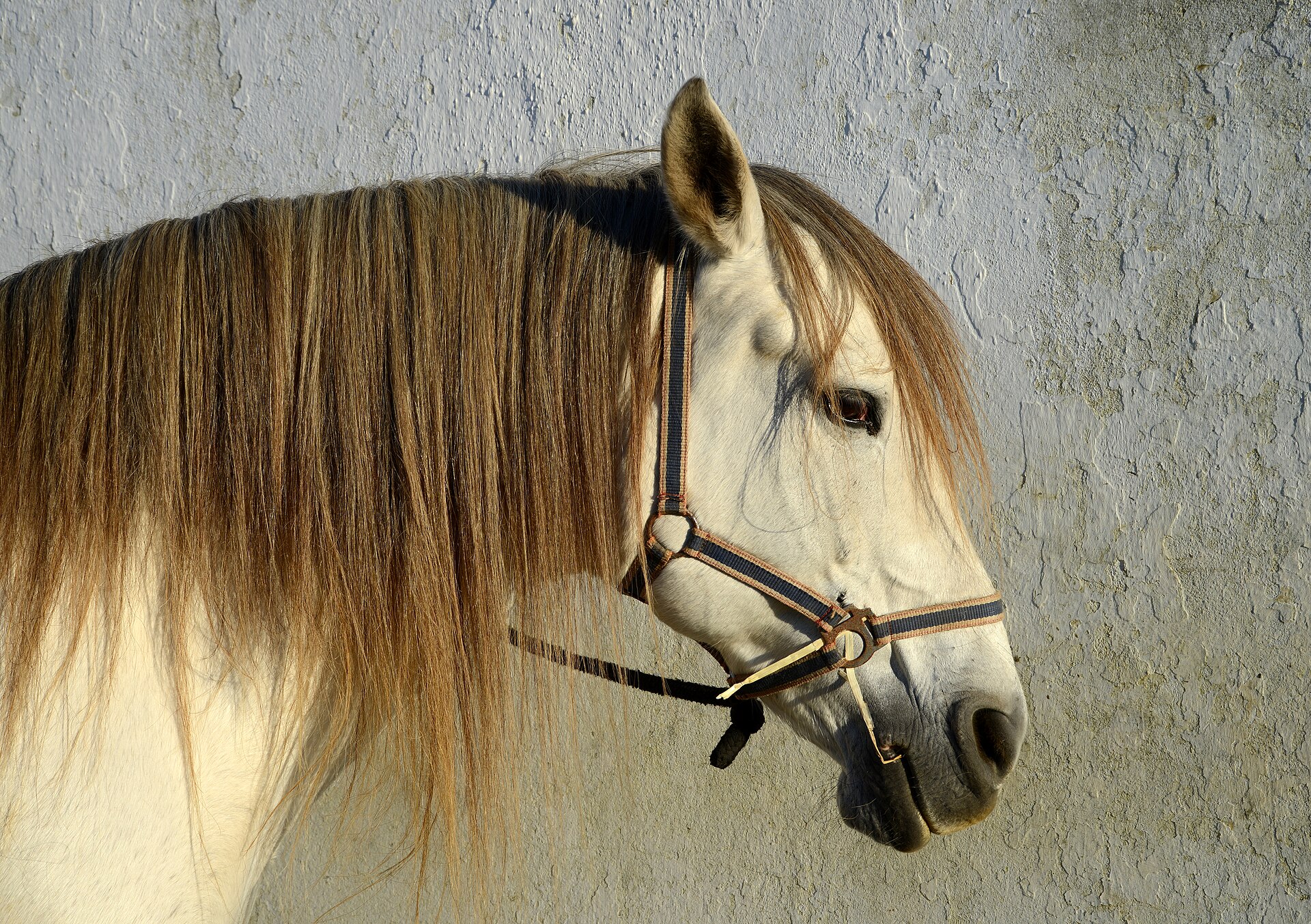
When buying a Lusitano, terms like PSL, Lusitano, or Cruzado come up. Understand the differences before you decide.
PSL, Lusitano or Cruzado – What’s Behind the Terms?
A Puro Sangue Lusitano (PSL) is a purebred Lusitano horse. Both parents must be registered and licensed in the studbook of the APSL (Associação Portuguesa de Criadores do Cavalo Puro Sangue Lusitano). You recognize this by the LGN number and LGA number. Only then can the foal be registered as a PSL. A horse that descends from Portuguese horses but has one parent that is not registered or not licensed may not be called a PSL – it is simply called Lusitano and cannot receive breeding papers. A Cruzado results from crossing Lusitanos with other breeds (e.g., PRE or others) and is also not eligible for registration in the studbook.
The APSL Studbook – What You Should Look For
The Portuguese breeding association APSL keeps the studbook. Every purebred horse is first entered in the Livro de Nascimentos (LN). For breeding approval, a horse must be presented to a commission and achieve a minimum score to be admitted to the Livro de Adultos (LA).
A serious horse has a blue passport and a breeding document. Always ask to see the papers and check the entries, for example via the APSL online studbook.
Caution: Even if a horse appears in the online studbook, it may only be pre-registered (NIN number, but no LGN). Insist on complete registration.
Character and Temperament: What Makes the Lusitano Special
Lusitanos are known for their people-oriented, courageous, and strong-nerved character. They are extremely bonded to 'their' humans, eager to learn, and want to please. For centuries, they were bred as close-combat, bullfighting, and herding horses, which made them agile, brave, and reliable.
They are suitable for classical dressage, working equitation (where Portugal regularly produces world champions), but also for jumping, western riding, or driving. Sufficient occupation is important, as these intelligent horses want to be challenged physically and mentally.
Housing should not deprive them of companions. An open stable with herd access is ideal.
Robust and long-lived, with no known breed-specific hereditary diseases. Only the small, steep hooves require regular, professional care.
Price Ranges: What Should You Budget for a Lusitano?
Prices vary widely. According to information, you can orient yourself along the following guidelines:
- Under €10,000: Here you find young horses, animals without complete papers (e.g., so-called Lusitanos or Cruzados), or older horses. Be especially cautious and question the reason for the low price.
- €10,000 to €25,000: This is a realistic range for solidly trained leisure horses or promising young horses from good breeders with APSL papers.
- Over €25,000: This is where the range begins for horses of special quality: licensed stallions, horses with competition success, or offspring of famous sires. The upper limit is open.
For comparison: well-trained Lusitanos can also cost €40,000 or more; at auctions, six-figure sums are achieved.
Important: A high price is no guarantee of quality. A suspiciously low offer should make you skeptical.
Recognizing a Reputable Seller
Here’s how to proceed:
- Transparency: The seller speaks openly about lineage, training, and health status.
- Housing conditions: Look at the upbringing. Do the horses grow up in a species-appropriate herd environment?
- Documents: Insist on the blue APSL passport and the breeding document.
- Time: A good seller gives you time to visit the horse several times and try it out in peace.
- Purchase examination: Have the horse examined by a veterinarian of your choice. For higher prices, X-rays are recommended to rule out hidden defects.
Also ask for the LGN and LGA numbers of the parents, and check them in the online studbook.
Common questions
What is the difference between PSL and Lusitano?
A PSL is a purebred Lusitano horse with complete APSL papers and licensed parents. A Lusitano (without PSL) has Portuguese ancestry, but at least one parent is not registered or not licensed – it cannot receive breeding papers.
Which papers does a purebred Lusitano need?
A purebred Lusitano (PSL) must have the blue passport from APSL and a breeding document. There, the LGN number (registration) and, if breeding approved, an LGA number (licensing) are entered.
What does a Lusitano cost as a leisure horse?
For a solidly trained leisure horse with APSL papers, you should expect €10,000 to €25,000. Without complete papers or for young horses, prices under €10,000 are possible, but caution is advised.
Sources
- Lusitano: Haltung, Wesen & Kauf | zooplus Magaine
- Pferdekauf-in-Spanien - PRE, PSL oder Cruzado?
- Der Lusitano: Raseporträt zu Charakter, Exterieur & Kauf
- Rasseporträt Lusitano – Portugals edles Barockpferd
- Lusitano
- Lusitano: Haltung, Wesen & Kauf | zooplus Magazine
- Titelfoto: Alvesgaspar, Wikimedia Commons
- Lizenz des Fotos: CC BY-SA 4.0

Written by Equidara editorial team. Last checked: 6 October 2026.
- Buying a Haflinger: Studbook, Character, and Uses — The Haflinger is bred for versatile use in riding and driving. Here, you'll learn what the breeding principles stipulate regarding lineage, temperament, size, and areas of use.
- Commission on Horse Purchases: When it Arises, Who Pays It, and When It's Forfeited — A commission isn't simply earned because someone offered assistance. It requires a brokerage agreement, a clear link between the activity and the successful sale, and a contract that is actually concluded. If you're working for both parties, you must disclose this, or your claim to the commission is at risk.
- Rescinding a Horse Purchase: Deadlines, Burden of Proof, and How the Reversal Process Works — Rescinding a contract requires a defect that was already present at the time of handover. This is almost always preceded by a deadline for the seller to remedy the defect, followed by a reversal process where the buyer doesn't just return the horse. Learn what applies when, and which mistakes can cost you your claim.
- Warranty in Horse Sales: Private, Commercial, and When You're Considered a Professional Seller — Between private individuals, warranties can be excluded, but not when selling to a consumer. The grey area lies in determining when someone is considered a professional seller, a decision not made by a form, but by the overall circumstances.
Related
- Buy horses — Horses for sale from all over Europe, with transport search.
- HorseFinder — Browse horses for sale by swiping, on your phone.
- Wanted — Who is currently looking for something — from horse to stall.