
Law & Safety
Scams Targeting Horse Sellers: How to Protect Yourself
Almost all scams boil down to one thing: getting you to hand something over – be it a refund, your horse, or your personal data – before any legitimate payment has actually landed in your account. Learn how to spot red flags in suspicious inquiries early and the golden rules to keep yourself safe.
Equidara editorial team · 4 October 2026 · 4 min read
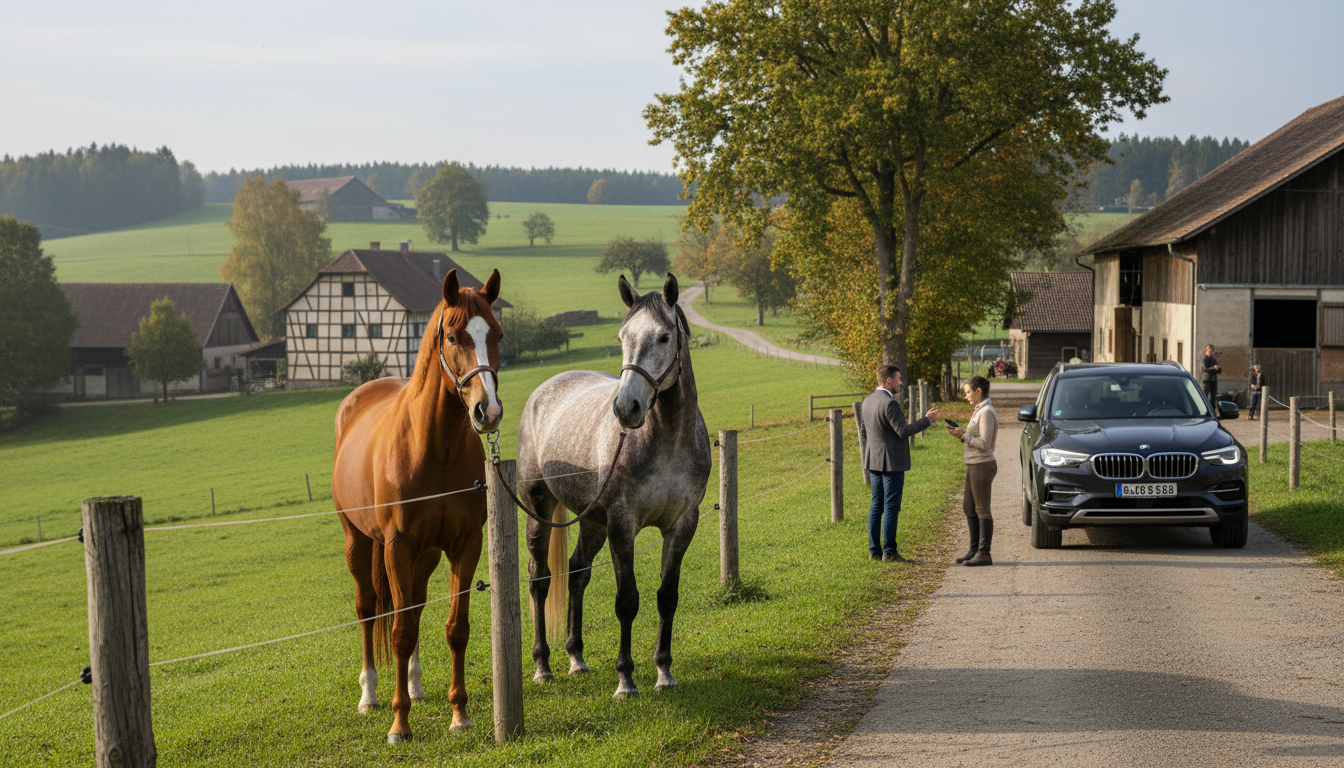
We've previously covered fake listings that target buyers. This article flips the script: when you list a horse for sale, you can become the target, and the scam tactics are surprisingly consistent.
How to Spot Red Flags in Early Inquiries
A genuinely interested buyer will want to see the horse. They'll ask about its age, health, previous owners, training, and want to schedule a visit. This is precisely what's missing from fraudulent contacts.
Typical red flags include:
- An immediate offer to buy without a viewing. The price isn't negotiated, and no questions are asked about the horse.
- Vague or evasive answers. If they can't tell you where the horse will be stabled or who will be riding it, they likely aren't genuinely interested.
- An elaborate overseas story that explains everything: military deployment, oil rig work, sudden emigration. This justifies why no one can come to view the horse in person.
- Urgency. They claim a decision must be made today, or the transporter is supposedly leaving tomorrow.
- Generic, impersonal messages that don't mention your horse by name and could apply to any listing.
- Switching communication channels from the platform to a messenger app where conversations aren't documented.
- Unusual payment methods: gift cards, prepaid cards, cryptocurrency.
None of these points alone are definitive proof. However, several combined should certainly make you cautious.
Payments That Never Arrive
At the heart of most scams is a payment that only appears to have gone through.
The overpayment scam is the most common variation. They'll supposedly transfer an amount exceeding the agreed price, claiming it was an accident, and ask you to refund the difference. The credit will later be reversed or was never genuine to begin with. Your refund, however, is permanent.
Checks operate on the same principle. A check deposit might initially appear in your account, but it's provisional until finally cleared. If the check bounces weeks later, the amount will be debited back.
Fake payment confirmations may arrive via email or screenshot, designed to look like they're from your bank. These are not proof. The only valid proof is checking your own bank account, and only once the funds are definitively available.
"Friends and Family" payments via payment services: If the transaction originates from a compromised third-party account, it will be reclaimed, and buyer protection typically doesn't apply to this payment method anyway.
Upfront Payments for Transport and Insurance
The second major group of scams doesn't target the horse itself, but rather smaller sums of money. They might claim transport must go through a specific shipping company and ask you to pay upfront, with the promise that the cost will be "deducted from the purchase price." Sometimes it's for transport insurance, other times a customs fee, or even a deposit for a stall in the transporter.
The rule of thumb here is simple: as a seller, you should never pay anything to sell a horse. The buyer organizes and pays for transport, or you agree on it in the contract and offset it against the purchase price.
Your Data and Accounts
Some inquiries aren't even about the horse; they're about you. "Payment links" sent to you, requests to log in somewhere to confirm a credit, or demands for a copy of your ID "for the transporter" are all phishing attempts. Genuine payments don't require you to log into an unfamiliar portal.
If something has already happened: In the case of an unauthorized payment, your bank is generally obliged to refund the charge (§ 675u BGB). Contact your bank immediately, have your access blocked, and file a police report.
The Rules That Truly Protect You
- Always verify incoming funds in your own online banking. No email, no screenshot, no phone call counts.
- Never refund an overpayment. Instead, ask your bank to reject the amount.
- Do not pay upfront for transport, insurance, customs, or deposits.
- Do not click on sent links, enter login details, or send copies of your ID.
- Require a viewing before selling. If someone isn't willing to see the horse, they usually aren't serious about buying.
- Use a written contract, and only hand over the horse after final payment clearance or simultaneously with a cash payment and receipt.
- Communicate on the platform for as long as possible. Documented messages can be helpful later.
If It Happens to You
File a police report, even if it seems hopeless: many of these cases are part of larger series, and reports help to build a complete picture. Secure messages, account details, and transport documents. Inform the platform where the contact originated so the account can be blocked.
And talk about it. Victims of fraud often remain silent out of shame, which only benefits the scammer who will repeat the trick on the next person.
For the reverse scenario – how to check a listing as a buyer – see our article Gefälschte Pferdeanzeigen erkennen.
Common questions
What is the overpayment scam in horse sales?
The alleged buyer transfers more than the agreed amount and asks for the difference back. The credit is later reversed or was never genuine, but your refund is permanent. Never refund an overpayment yourself; instead, ask your bank to reject the amount.
How do I verify if the money has truly arrived?
Only check your own online banking, and only once the amount is definitively available. Emails, screenshots, and payment confirmations designed to look like they're from your bank are not proof. Check deposits are provisional until cleared.
Should I, as a seller, ever pay anything upfront?
No. Transport, insurance, customs, or a deposit for the transporter should not be paid by the seller in order to sell a horse. Any request for upfront payment with the promise of later reimbursement is a red flag.
What should I do in case of an unauthorized debit?
Immediately inform your bank and have your access blocked. In the case of an unauthorized payment transaction, the payment service provider is generally obliged to refund the charge (§ 675u BGB). Additionally, file a police report and secure any evidence.
Is filing a police report even worth it?
Yes. Many of these cases are part of larger series, and multiple reports help to build a complete picture. Secure message histories, account details, and transport documents, and also report the incident to the platform where the contact originated.
Sources
- Betrug: Themen und Tipps (Polizeiliche Kriminalprävention der Länder und des Bundes)
- Onlinehandel: Wissen und Warnungen (Verbraucherzentrale)
- § 675u BGB – Haftung des Zahlungsdienstleisters für nicht autorisierte Zahlungsvorgänge (gesetze-im-internet.de)
- § 263 StGB – Betrug (gesetze-im-internet.de)
Written by Equidara editorial team. Last checked: 6 October 2026.
- How to spot a fake horse ad: check the listing before you pay — The horse looks perfect, so does the price, and the seller happens to be abroad. Using an example ad we built ourselves, we show the six typical warning signs and how to check a listing in ten minutes.
- Consigning Your Horse for Sale: Who Sells, Who's Liable, Who Gets Paid — A sales barn takes care of schooling, presenting, and negotiating the sale of your horse. However, the crucial question often omitted from many agreements is whose name the sale is made in. This determines who is liable to the buyer and which rules apply.
- Eventing: MIM Clips to Become More Affordable — More clips for the same package price. MIMsafe is also working on reusable clips and exploring solutions for smaller cross-country obstacles.
- Circus Lessons with Your Horse: Common Mistakes in the Bow and Spanish Walk — What to pay attention to when teaching the Bow and Spanish Walk, why warming up is essential, and how to handle breaks and unsolicited tricks.
Related
- Purchase contract template — Template for horse and saddle to fill out.
- Buy and pay safely — How to recognize fraud schemes.
- Buy horses — Horses for sale from all over Europe, with transport search.