
Innovations
Artificial Insemination, Embryo Transfer, and OPU in Horses: What You Should Know When Buying a Foal
Artificial insemination is an integral part of modern horse breeding. Learn how it differs from embryo transfer and in-vitro fertilization, and what information you should clarify when purchasing a foal.
Equidara editorial team · 13 October 2026 · 4 min read
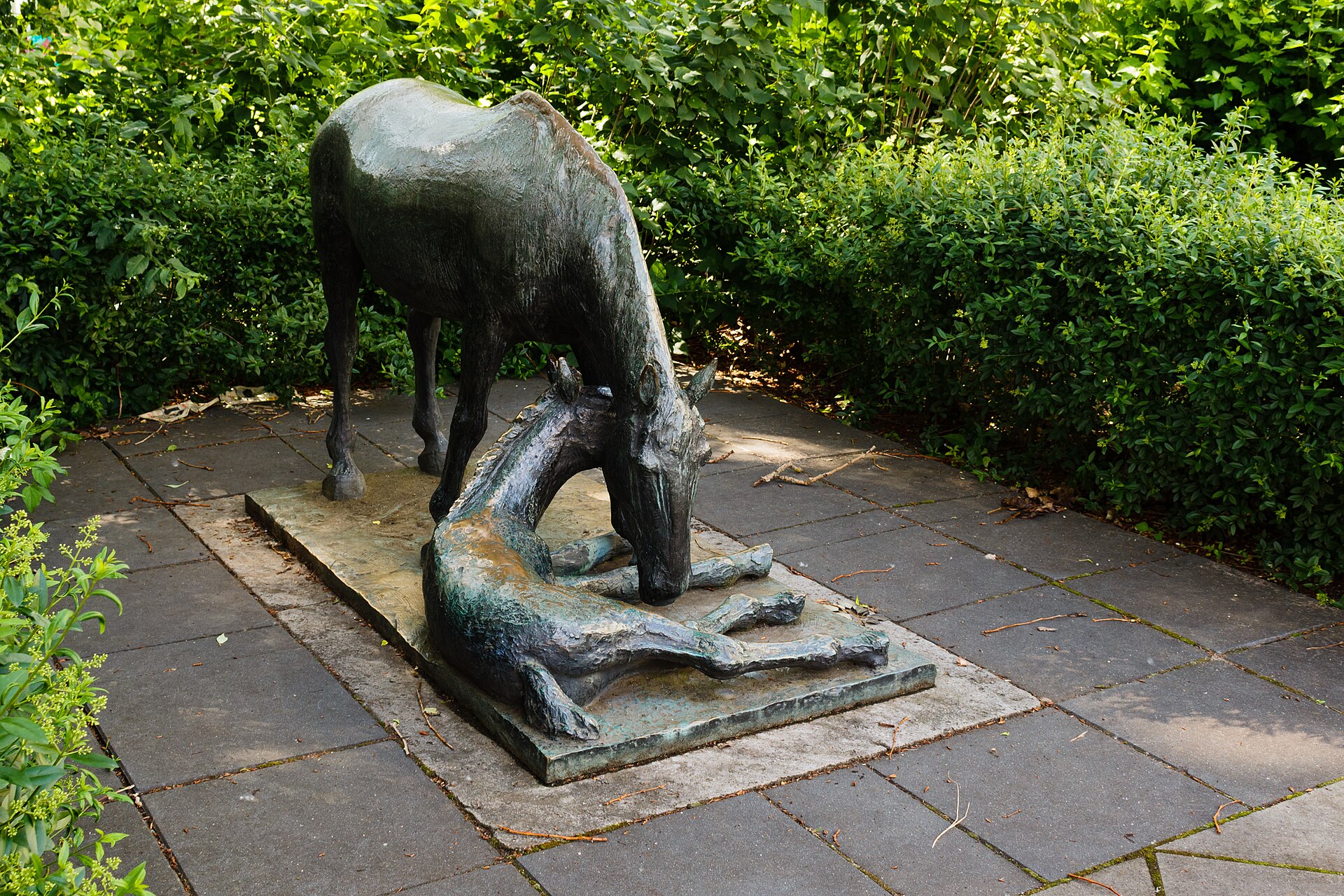
In artificial insemination, semen is introduced into the mare without natural cover taking place. Fertilization occurs within her body, and she carries her own foal to term. When buying a foal, you need to distinguish this from embryo transfer and laboratory fertilization. In these two procedures, a recipient mare carries the foal to term, who is not the genetic dam. Therefore, inquire about which procedure was used and which mare played which role.
How Widespread Are These Procedures?
The Bayerische Landesanstalt für Landwirtschaft, or LfL for short, is a German authority. It describes artificial insemination as an established component of modern horse breeding. According to their assessment, embryo transfer continues to increase.
Which Procedures Do You Need to Distinguish?
Artificial Insemination
In artificial insemination, only the semen is transferred. The inseminated mare is simultaneously the genetic dam and carries the foal herself.
Embryo Transfer
According to the Holsteiner Verband, a German breeding association, in embryo transfer, abbreviated ET, the egg cell is fertilized in the oviduct of the donor mare. After a few days, the embryo is flushed from her uterus. It is then transferred to a receptive recipient mare.
The recipient mare takes on the gestation, birth, and rearing. The donor mare provides the egg cell and is thus the genetic dam. If a breeder presents you with a foal from embryo transfer, you should keep these two roles distinct.
Oocyte Pick-Up and In-Vitro Fertilization
Another procedure is Oocyte Pick-Up, abbreviated OPU. According to the Holsteiner Verband's description, unfertilized oocytes are retrieved from the follicles of the donor mare. For this, the follicles are punctured transvaginally under ultrasound guidance.
This is followed by in-vitro embryo production, abbreviated IVP. The Holsteiner Verband describes three essential steps:
- The oocytes mature in the laboratory.
- Fertilization in horses occurs via ICSI. A single sperm cell is injected directly into the oocyte.
- The resulting embryo is cultured further for about one week.
Afterward, the embryo can be frozen or transferred directly to a recipient mare. Unlike embryo transfer, fertilization here takes place outside the donor mare.
What Does This Mean for Your Foal Purchase?
Ask for an explanation of which procedure was used. The term “artificial insemination” describes something different from “embryo transfer” or “OPU with IVP.” If a recipient mare was involved, specifically inquire about the donor mare and the recipient mare. This way, you can correctly attribute information regarding parentage and rearing.
The Holsteiner Verband recommends that its members use these procedures thoughtfully. It advises prioritizing quality over quantity and not restricting genetic diversity. You can use these recommendations as a basis for a discussion about the foal's origin.
For embryo transfer, the association recommends good care and health maintenance for both mares. The procedure should only be performed by specialists, preferably within the natural breeding season. It also recommends a maximum of three flushes per mare per year.
For OPU, the association recommends follow-up examinations of the donor mares, as well as the following limits:
- A maximum of three collections per season.
- A maximum of five resulting offspring.
- A maximum of three consecutive breeding seasons.
These guidelines are recommendations for the members of the Holsteiner Verband, not binding usage requirements. According to their statement, each breeder personally decides on the use of these procedures, taking into account ethical and animal welfare principles. For health-related questions concerning the mares involved, your veterinarian is the point of contact.
What Legal Framework Applies?
For Germany, the LfL refers to the Animal Breeding Act and the Animal Breeding Implementation Ordinance. According to their statement, national animal breeding regulations concerning artificial insemination and embryo transfer apply to all animal species.
For the trade of semen, oocytes, and embryos between EU member states, the LfL cites the animal health provisions of Delegated Regulation (EU) 2020/686. Therefore, it distinguishes between two types of approvals for insemination stations in Germany. The animal breeding approval applies to national trade, while the animal health approval applies to trade within the EU.
For artificial insemination in Germany, the LfL also provides sample contracts that meet minimum animal breeding legal requirements. Individual content can be added. According to the LfL, existing content may not be removed. For specific legal questions regarding contracts or approvals, you should consult a lawyer.
Common questions
How widespread is artificial insemination in horse breeding?
The Bayerische Landesanstalt für Landwirtschaft describes it as an established component of modern horse breeding. It classifies embryo transfer as continuing to increase.
Is artificial insemination the same as embryo transfer?
No. In artificial insemination, semen is introduced into the mare, and she carries the foal herself. In embryo transfer, an already formed embryo is flushed from the donor mare and transferred to a receptive recipient mare.
Which mare is the genetic dam for a foal from embryo transfer?
The genetic dam is the donor mare from which the egg cell originates. According to the Holsteiner Verband's description, the recipient mare takes on the gestation, birth, and rearing.
Are the Holsteiner Verband's limits binding requirements?
No. They are recommendations for its members. According to the association, each breeder personally decides on the use of these procedures, taking into account ethical and animal welfare principles.
Sources
- Bayerische Landesanstalt für Landwirtschaft – Künstliche Besamung und Embryotransfer beim Pferd: Einordnung der Verbreitung, Dokumentation u
- Holsteiner Verband – Handlungsempfehlung zu ET, OPU und IVP: Erklärung und Abgrenzung der Fortpflanzungsverfahren. holsteiner-verband.de (10.04.2022)
- Titelfoto: Srittau, Wikimedia Commons
- Lizenz des Fotos: CC BY-SA 3.0

Written by Equidara editorial team. Last checked: 24 October 2026.
Fachlich geprüft von Melissa Hinze, Pferdezüchterin und Pferdehändlerin, Gründerin von Equidara.
- Stallion Licensing and Horse Purchase: What Breeding Value, Registration, and Papers Tell You — In Germany, a licensed riding horse stallion is not yet definitively approved for breeding. Here's how to understand licensing, studbook registration, performance tests, breeding certificates, and breeding value when buying a stallion.
- Buying a Shetland Pony: Breed, Studbook, and Suitability for Children — The Shetland pony is designated as a small riding and driving pony in the German breeding objective. Here, you'll learn about the breed characteristics and what the entries in the Swiss studbook mean.
- Buying a German Warmblood: Hanoverians, Rhinelanders, and Breeding Documents — Hanoverians and Rhinelanders are described as sport horses and versatile all-rounders. Discover which contacts and breeding documents the Hanoverian Verband offers.
- Buying a Haflinger: Studbook, Character, and Uses — The Haflinger is bred for versatile use in riding and driving. Here, you'll learn what the breeding principles stipulate regarding lineage, temperament, size, and areas of use.
Related
- HorseFinder — Browse horses for sale by swiping, on your phone.
- Buy horses — Horses for sale from all over the world, with transport search.
- All articles in the journal — From guides to breed portraits.