
Insurance
Trial Ride Accidents: Understanding Owner Liability and Why Insurance is a Separate Matter
Under German law, a horse owner can be held liable even without personal fault. While a rider's contributory negligence might reduce this liability, whether an insurance policy will cover the damages is a different matter entirely. Here's what this means for you, whether you're test-riding a horse or you're the owner.
Equidara editorial team · 4 October 2026 · 4 min read
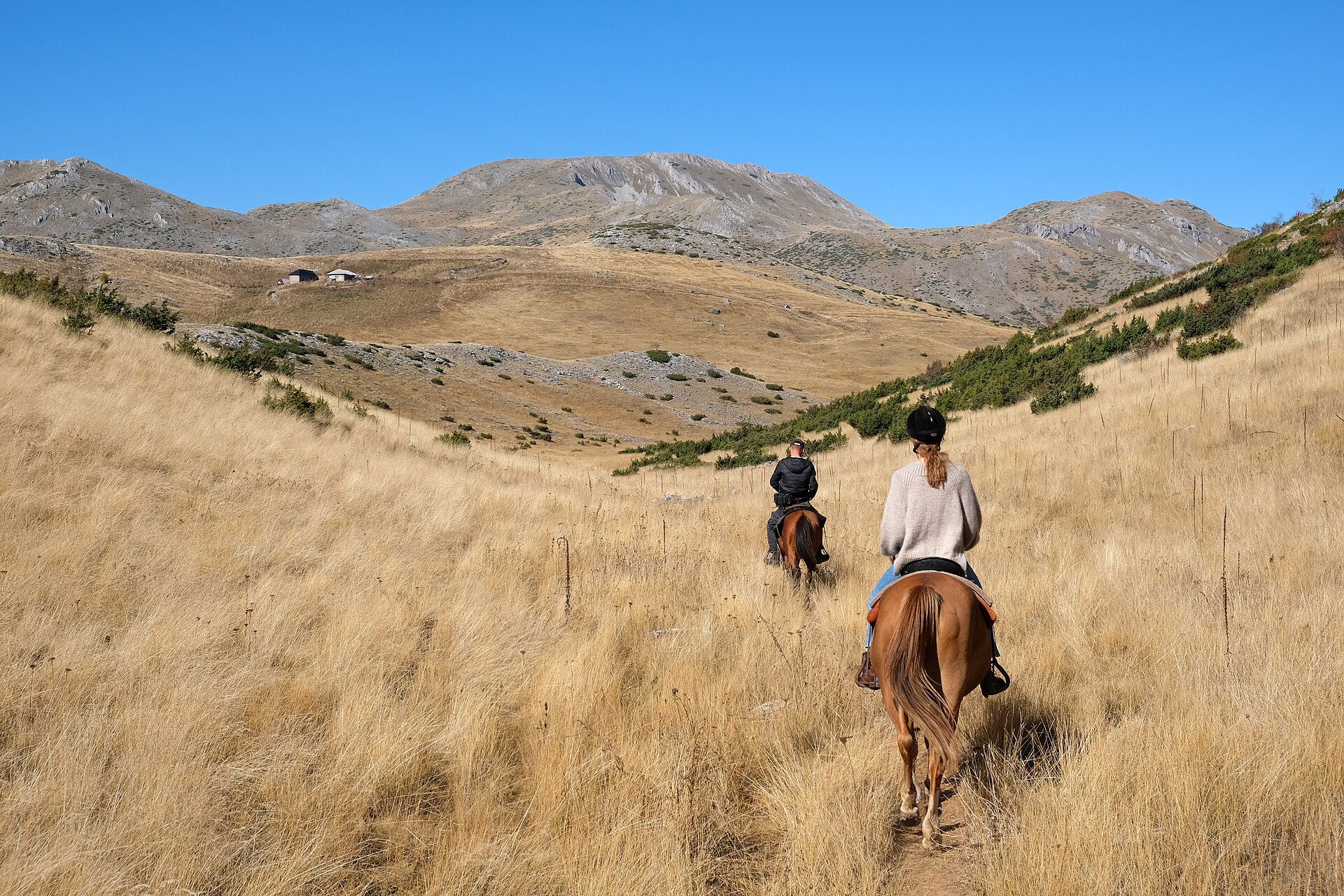
Under German law, a horse owner can be held liable for an accident during a trial ride even without personal fault. The prerequisite is that the damage was caused by typical animal behavior. Your own contributory negligence as a rider can reduce this liability. Whether a liability insurance policy covers the damage is a separate question. An existing policy does not automatically mean that use by an unfamiliar rider is also covered.
Owner Liability: It Doesn't Always Require Owner Fault
According to WESTERNREITER ONLINE, German animal owner liability can apply even if the owner isn't personally at fault. The article identifies private riders with their sport horses and non-profit riding clubs with their own horses as so-called 'luxury animal owners.' The key element is that the damage resulted from a typical animal-specific danger.
Therefore, whether the owner made a mistake during the trial ride isn't the sole determining factor. As per a Federal Court of Justice ruling from April 30, 2013, cited by WESTERNREITER ONLINE, liability can even apply if the owner wasn't aware of the specific trial ride.
Even your personal interest in riding doesn't automatically preclude a claim. The same source states that a rider using a borrowed horse for their own benefit can generally still claim against the owner's strict liability.
Trial Riding Doesn't Automatically Mean 'At Your Own Risk'
According to WESTERNREITER ONLINE, a trial ride undertaken with the intention of buying a horse typically does not result in an implied contractual exclusion of liability.
For liability to be waived because you acted 'at your own risk,' stricter conditions apply. You would need to have consciously exposed yourself to a specific animal-related danger in that particular instance, meaning you took on risks that go beyond the usual dangers of riding. According to the source, the following circumstances are not enough to meet this threshold:
- You ride a horse you don't know in unfamiliar terrain.
- The horse appears tense or nervous at times.
Furthermore, merely allowing someone to test ride a horse does not, according to WESTERNREITER ONLINE, make you the 'animal keeper' – meaning the person who has taken responsibility for the horse's supervision. This is especially true if the owner or an authorized person is present.
Contributory Negligence Can Reduce Liability
Just because a trial ride isn't automatically 'at your own risk' doesn't mean your behavior is irrelevant. If you contribute to the damage, for example, through significant riding errors, liability can be divided between the parties involved, according to WESTERNREITER ONLINE. The owner must prove this circumstance.
The editorial guidelines at JuraForum for a ruling by the Hamm Higher Regional Court from January 24, 2000, concerning a case from riding lessons, also state: A reduction in liability requires demonstrable contributory negligence on the part of the rider. Simply falling off the horse is not sufficient for this.
How much the circumstances matter is illustrated by a case from the Ravensburg Regional Court on September 5, 2023, described by WESTERNREITER ONLINE. A prospective buyer continued a trial ride with a horse that appeared tense and nervous at times and was subsequently injured. For this case, the source cites 30 percent contributory negligence. So, a nervous horse does not exclude liability, but it can be a factor in contributory negligence. This percentage applies to the decided case, not to every trial ride with a nervous horse.
Third-Party Riders: Separate Liability and Insurance Coverage
Just because the owner is liable doesn't answer whether their insurance will cover the damage. This is shown in a case involving a riding share, reported by Legal Tribune Online. In the Nuremberg Higher Regional Court's ruling from March 29, 2017, the agreed riding share did not change the owner's status. An implied exclusion of liability also did not arise in this case.
However, the injured riding share partner was not covered by the horse owner's liability insurance. The existing policy therefore did not cover this use. For you, as an owner or a third-party rider, two questions must be considered separately: Who is liable for the accident, and is the specific use covered by insurance?
The case also had a peculiarity: The injured party was an animal keeper at the time of the accident, meaning she had supervision over the horse. She could not refute the legal presumption that a breach of duty on her part had caused the damage. Therefore, according to Legal Tribune Online, the owner was only liable for half. In trial riding, this is usually different, because merely entrusting the horse to you does not make you the animal keeper.
Legal Protection Covers the Costs of a Dispute
According to WESTERNREITER ONLINE, legal expenses insurance can mitigate litigation risks, including potential expert report costs. The source points out that even those who win a lawsuit can be left with significant costs if the debtor lacks funds.
This article provides general guidance on German law and is not legal advice. For a legal assessment of your specific accident, please consult a lawyer.
Common questions
Haftet der Pferdehalter auch ohne eigenen Fehler?
Under German law, animal owner liability can exist even without personal fault. The prerequisite is that the damage was caused by typical animal behavior. Contributory negligence on the part of the injured rider can reduce liability.
Reite ich beim Probereiten automatisch auf eigene Gefahr?
No. According to WESTERNREITER ONLINE, a trial ride undertaken with the intention of purchasing a horse typically does not result in an implied exclusion of liability. Acting 'at your own risk' requires that you consciously take on specific risks that go beyond the usual dangers of riding.
Zahlt eine vorhandene Pferdehaftpflicht immer für einen Fremdreiter?
Not automatically. In the case involving a riding share, reported by Legal Tribune Online, the injured riding share partner was not covered by the owner's liability insurance.
Genügt ein Sturz, um mir Mitverschulden anzulasten?
No. According to the editorial guidelines at JuraForum for the Hamm Higher Regional Court's ruling from January 24, 2000, a reduction in liability requires demonstrable contributory negligence. Simply falling off the horse is not sufficient for this.
Sources
- WESTERNREITER ONLINE, Erste Westernreiter Union Deutschland: Halterhaftung für Reitunfall beim Probereiten · westernreiter.ewu-bund.com
- Legal Tribune Online: OLG zu Reitbeteiligung – Halterin haftet für Unfall; Haftung und fehlender Versicherungseinschluss · lto.de
- OLG-HAMM - 24.01.2000, 13 U 166/99 - JuraForum.de
- Titelfoto: kallerna, Wikimedia Commons
- Lizenz des Fotos: CC BY-SA 4.0

Written by Equidara editorial team. Last checked: 4 October 2026.
- Selling a Horse on Installments: What Retention of Title Achieves and Where Its Gaps Lie — The horse moves to its new home, but the payments trickle in over months. While retention of title keeps ownership with you until the final installment, it doesn't protect against every resale. Plus, there's the question of liability, as the keeper and owner are not always the same.
Related
- Buy and pay safely — How to recognize fraud schemes.
- Services and jobs — Farrier, vet, training, horse share.